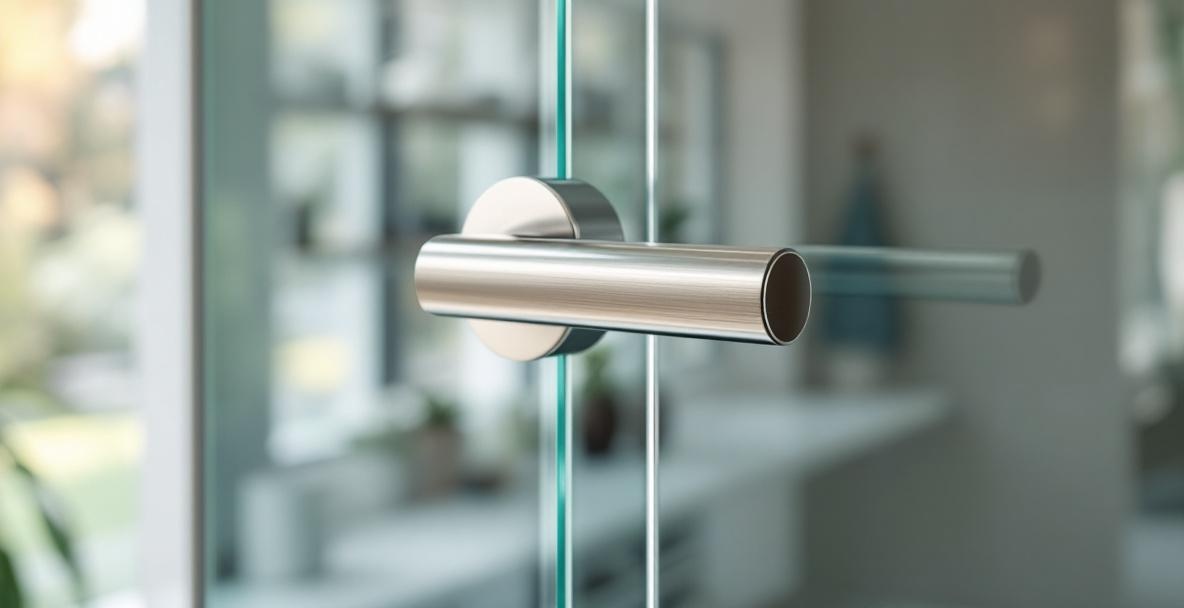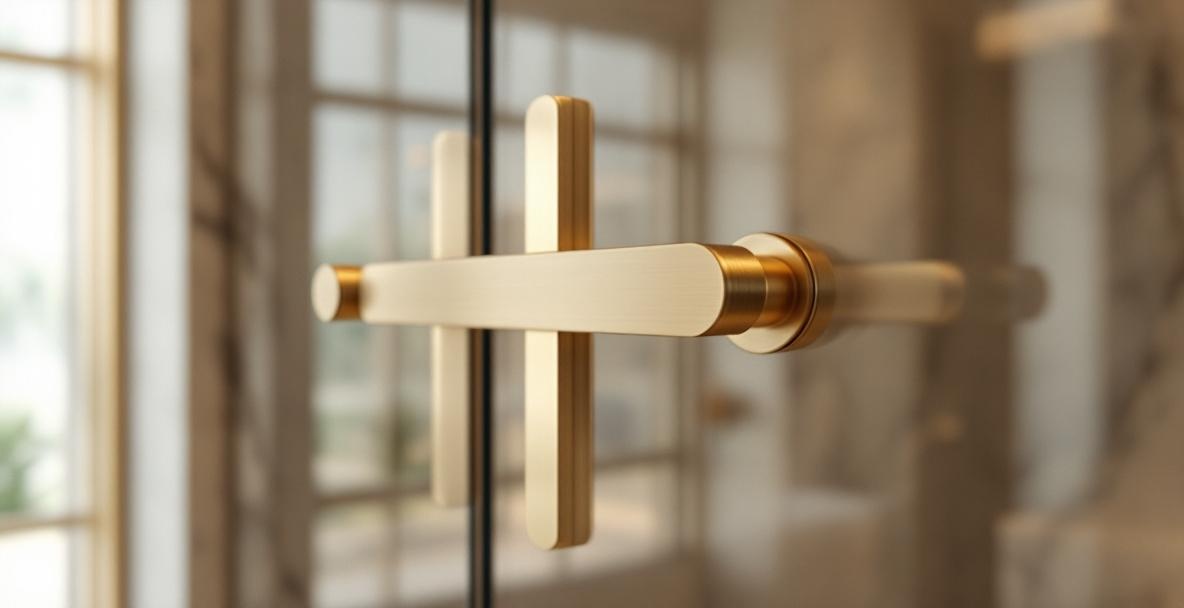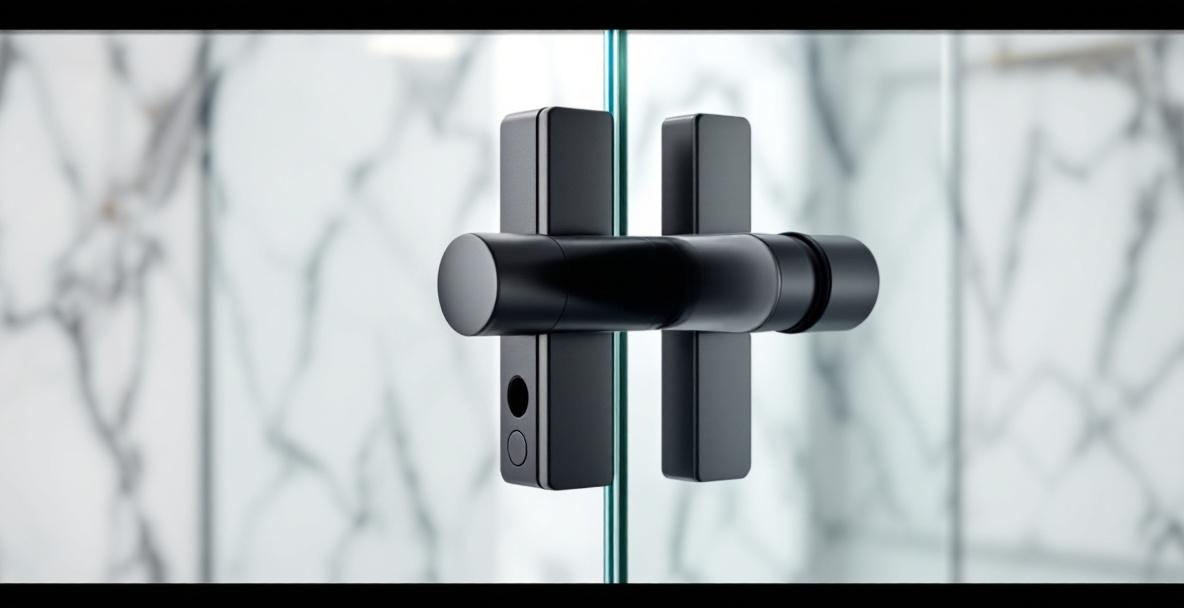
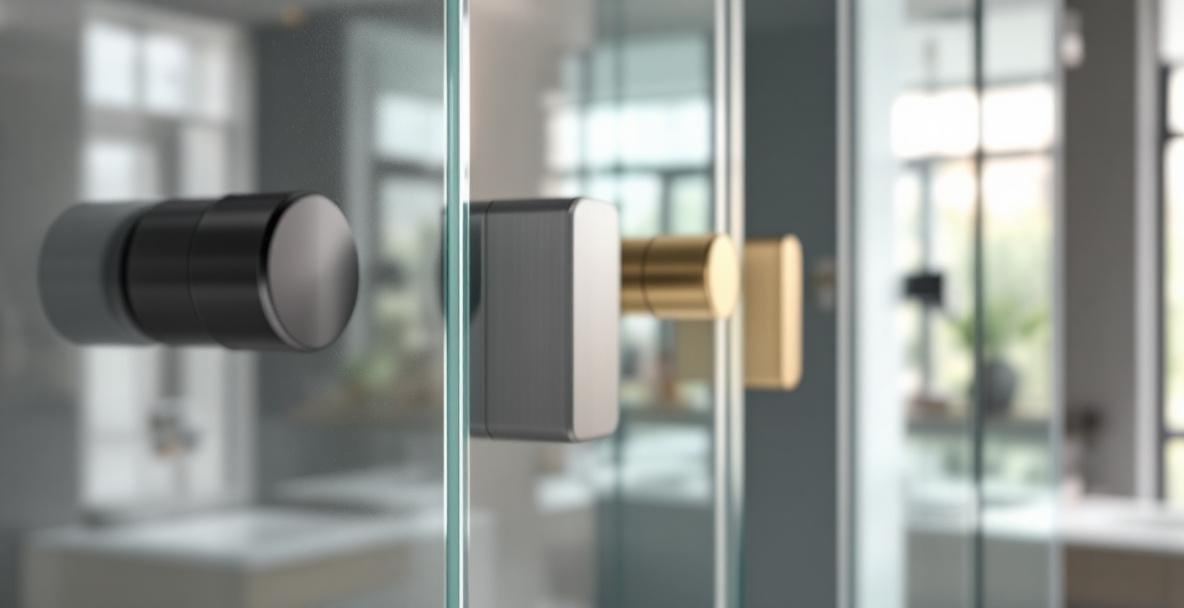
The four dominant shower door hardware finishes in 2026 are matte black, brushed nickel, chrome, and brushed gold — each with distinct advantages and different maintenance requirements. Brushed finishes (nickel and gold) hide fingerprints and water spots best; matte black makes a bold visual statement; chrome is the easiest to clean. According to NKBA's 2026 survey, brushed finishes are preferred by 51% of design professionals (NKBA 2026).
Hardware finish is one of the last decisions in a shower enclosure project — but it's also one of the most visible. Every hinge, clamp, handle, and sweep is seen in daily use. The finish affects cleaning frequency, durability, how it coordinates with other fixtures, and the overall visual temperature of the bathroom.
This guide covers every major finish option, how each performs in a humid bathroom environment, and how to match hardware to your existing fixtures and tile.
Why Your Shower Door Hardware Finish Matters More Than You Think
Hardware finish directly affects maintenance time over the door's 20-30 year lifespan. A finish that shows every water spot requires daily wiping or weekly scrubbing. A finish that hides mineral deposits and fingerprints stays presentable with minimal effort. In Texas, where hard water is common in many DFW municipalities, this is a practical consideration, not just an aesthetic one.
Three ways finish affects long-term performance:
Water spot visibility: Polished, reflective finishes (chrome, polished brass, polished nickel) show every hard water deposit in sharp relief. The deposits appear as white spots against the shiny metal. Brushed or matte finishes scatter light and hide deposits until they become significant.
Fingerprint appearance: Oily fingerprints are most visible on polished and chrome finishes. Matte black and brushed finishes mask fingerprints with their texture.
Durability: PVD (Physical Vapor Deposition) coatings on solid brass hardware are substantially more durable than electroplated finishes on zinc alloy. The base metal matters as much as the finish.
What Are the Most Popular Shower Door Hardware Finishes in 2026?
Matte black leads current trends with 54% of industry professionals citing it as the top preferred fixture finish (NKBA 2026), but brushed nickel remains the most durable everyday choice. Brushed gold and satin brass are growing rapidly in master bath applications. Chrome is the classic option that never fully goes out of style.
Matte black also behaves differently from the other three in one respect worth flagging: on a frameless enclosure it is hardware, but on a framed or semi-frameless one it becomes a continuous black outline around every panel — a much larger visual commitment than a set of hinges and a handle. See the black frame shower enclosure trend for how that reads in a finished bathroom.
| Chrome |
| Brushed Nickel |
| Matte Black |
| Brushed Gold |
| Oil-Rubbed Bronze |
Current trends by bathroom type in DFW:
- Master baths: Brushed gold and matte black are driving the premium market
- Guest baths: Brushed nickel remains the safe, durable choice
- Spa or wet rooms: Matte black for dramatic contrast; chrome for clinical-clean aesthetics
- Traditional/transitional: Brushed nickel or oil-rubbed bronze coordinate with widespread fixture selections
How Does Matte Black Compare to Brushed Nickel for Shower Doors?
Matte black makes a stronger visual statement; brushed nickel offers superior long-term versatility. Both finishes hide water spots and fingerprints well. The key difference: matte black is a trendy choice with high design impact that's harder to coordinate with other fixtures; brushed nickel is a neutral finish that coordinates easily across fixture styles and won't look dated in 10 years.
Matte Black advantages:
- High visual contrast against white tile or light grout
- Hides minor surface oxidation over time
- Pairs naturally with minimalist and industrial design directions
- Available in PVD coating over solid brass at quality manufacturers
Matte Black disadvantages:
- Shows soap scum and calcium deposits as white buildup against dark background
- Harder to match across fixture brands (matte black varies from warm to cool)
- More difficult to retrofit if you want to change the look later
Brushed Nickel advantages:
- Neutral undertone coordinates with almost any tile, vanity, or fixture selection
- Hides fingerprints and hard water deposits effectively
- PVD brushed nickel on solid brass is the most durable common hardware finish
- Timeless — won't look dated as design trends shift
Brushed Nickel disadvantages:
- Less visual impact than matte black or brushed gold
- Sometimes described as "safe" or "expected" in premium bathroom designs
Which Finish Hides Water Spots and Fingerprints Best?
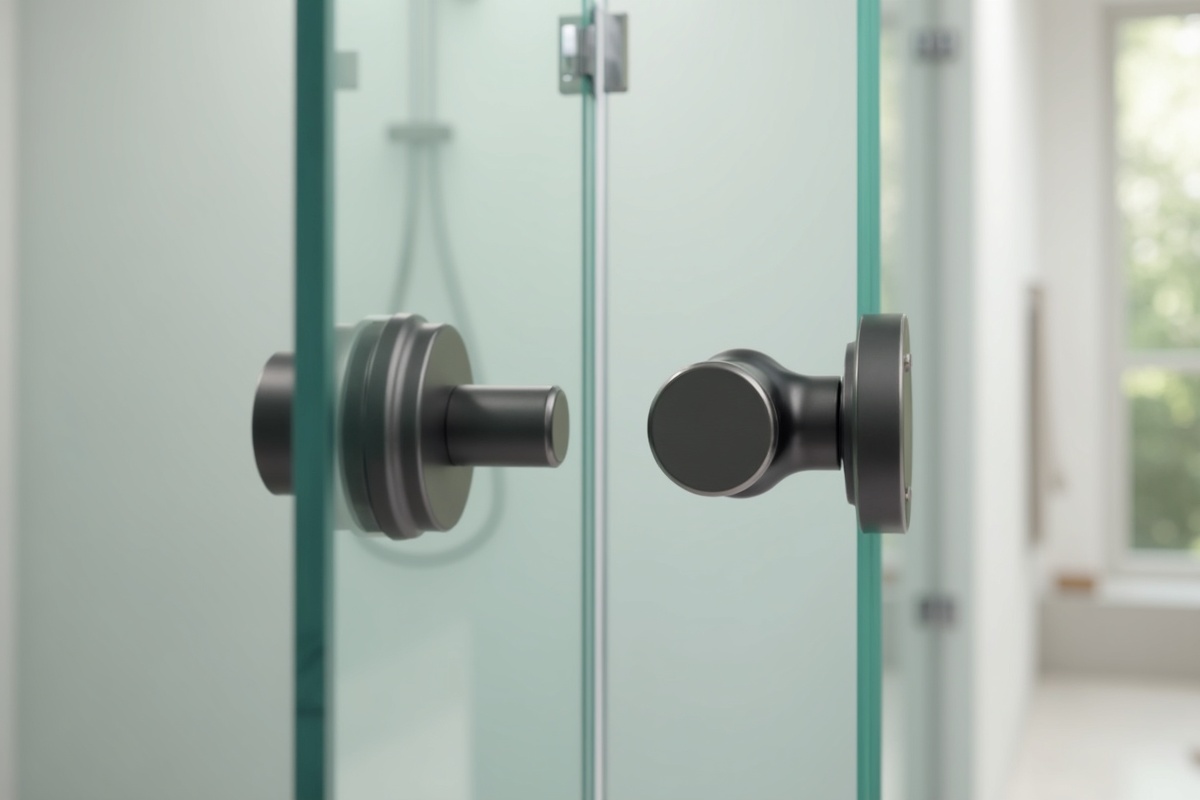
Brushed gold and brushed nickel hide water spots and fingerprints best because the directional surface texture scatters light, making deposits less visible. Matte black hides fingerprints well but shows calcium deposits as white spots on the dark surface. Chrome is the most unforgiving — showing every drop and print in sharp relief.
Finish performance in hard water areas (common in parts of DFW):
In municipalities with hard water (high calcium and magnesium content), shower hardware experiences heavy mineral deposits. The finish choice affects both the visibility of deposits and the cleaning effort required to remove them:
- Chrome: Calcium shows as bright white against the reflective surface — highly visible. Easy to clean chemically (acidic cleaners dissolve calcium quickly), but requires frequent attention.
- Brushed nickel/brushed gold: Deposits form but are less visible against the matte texture. Regular rinse-and-dry prevents significant buildup.
- Matte black: Calcium deposits appear as white buildup — more visible against the dark background. Requires regular cleaning in hard water conditions.
- Oil-rubbed bronze: Dark finish with living patina that changes over time. Less sensitive to water spots than polished finishes but requires specific cleaning products.
Can You Mix Shower Door Hardware Finishes With Other Bathroom Fixtures?
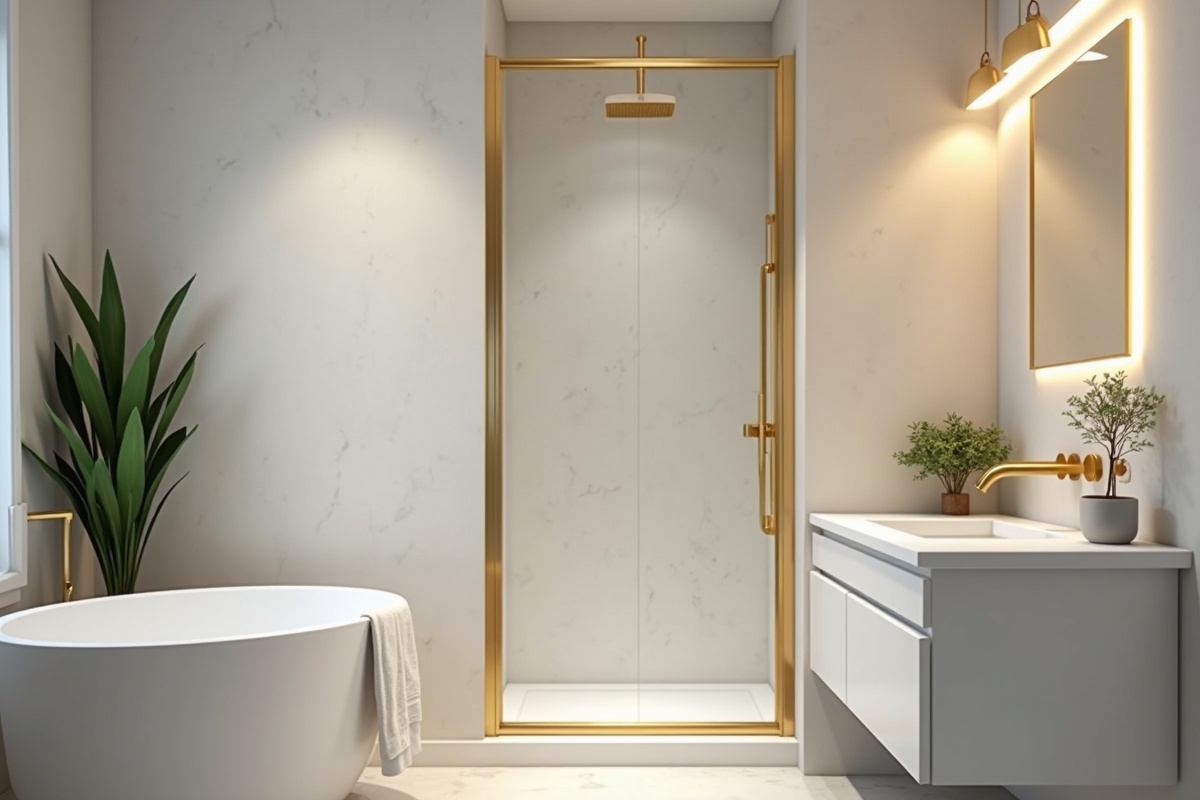
Mixing metal finishes is acceptable in modern bathroom design as long as one finish dominates and a second acts as an accent. The most successful mixed-finish bathrooms use 70-80% of one finish (the dominant) and 20-30% of a second complementary finish. Mixing three or more finishes typically reads as disorganized.
Mixing guidelines:
Works well:
- Brushed gold hardware with matte black plumbing fixtures (warm-cool contrast)
- Brushed nickel shower hardware with chrome faucets (similar undertone)
- Chrome shower hardware with brushed nickel towel bars (classic contrast pair)
Use caution:
- Matte black shower hardware with brushed gold faucets — dramatic but requires intention
- Chrome shower hardware with oil-rubbed bronze vanity fixtures — clashing undertones
To avoid:
- Three different finishes in one bathroom — typically reads as incoherence
- Mixing warm and cool finishes without a deliberate design reason
What Should DFW Homeowners Consider When Choosing a Hardware Finish?
Three factors are especially important for DFW homeowners: water hardness (many DFW municipalities have moderately hard to hard water), the resale timeline (neutral finishes age better), and the base metal (solid brass PVD coatings outlast zinc alloy electroplate significantly in humid Texas summers).
DFW-specific considerations:
Hard water: Dallas and Fort Worth have moderately hard water. North DFW suburbs (Frisco, McKinney) receive water from Lake Lavon and Lake Ray Roberts — both with moderate mineral content. If cleaning frequency matters to you, avoid polished chrome in these areas. Brushed finishes require less maintenance.
Texas humidity: Summer humidity in DFW runs 60-80% on average. Bathrooms in active use stay humid for much of the year. This accelerates the degradation of electroplated finishes on zinc alloy. Specify solid brass with PVD finish — it performs dramatically better in sustained humidity.
Resale considerations: If you plan to sell within 5-10 years, brushed nickel is the safest choice — it coordinates with the widest range of buyer preferences. Matte black and brushed gold are strong design choices for owners intending to stay long-term.
Ready to select hardware for your new frameless shower enclosure? Infinity Glass & Glazing stocks premium CRL and FHC hardware in matte black, brushed nickel, chrome, and brushed gold — all solid brass with PVD coatings. Serving Corinth, Dallas, Fort Worth, Denton, Frisco, McKinney, Lewisville, and surrounding DFW areas. Get a free estimate or call (940) 279-1197.
What shower door hardware finish is most popular in 2026?
Matte black leads trend surveys with 54% of industry professionals citing it as the top preferred fixture finish (NKBA, 2026), but brushed nickel remains the most installed finish overall due to its versatility and durability. Brushed gold is growing fastest in the master bath premium segment. Chrome remains popular for traditional and transitional bathrooms.
Which shower hardware finish is easiest to maintain?
Brushed nickel and brushed gold hide water spots and fingerprints best and require the least daily maintenance. Chrome requires the most attention in hard water areas — water spots are very visible against the reflective surface. Matte black hides fingerprints well but can show calcium deposits as white buildup.
How long do shower door hardware finishes last?
PVD (physical vapor deposition) coatings on solid brass hardware last 20-30 years or more with normal bathroom use. Electroplated finishes on zinc alloy begin to pit and flake within 2-5 years in humid conditions. The base metal matters as much as the finish — always verify hardware is solid brass, not zinc alloy.
Can I update my shower door hardware finish without replacing the glass?
Shower door hardware can be replaced without replacing the glass, but it requires drilling the new hardware holes in the existing tempered glass — which is not possible once glass is tempered. If you want to change hardware positions significantly, the glass must be replaced. If you're changing to hardware with the same hole patterns, replacement is possible but requires careful removal and re-installation by a professional.
Related reading: frameless shower door hardware and our shower door buyer guide.
Related reading: