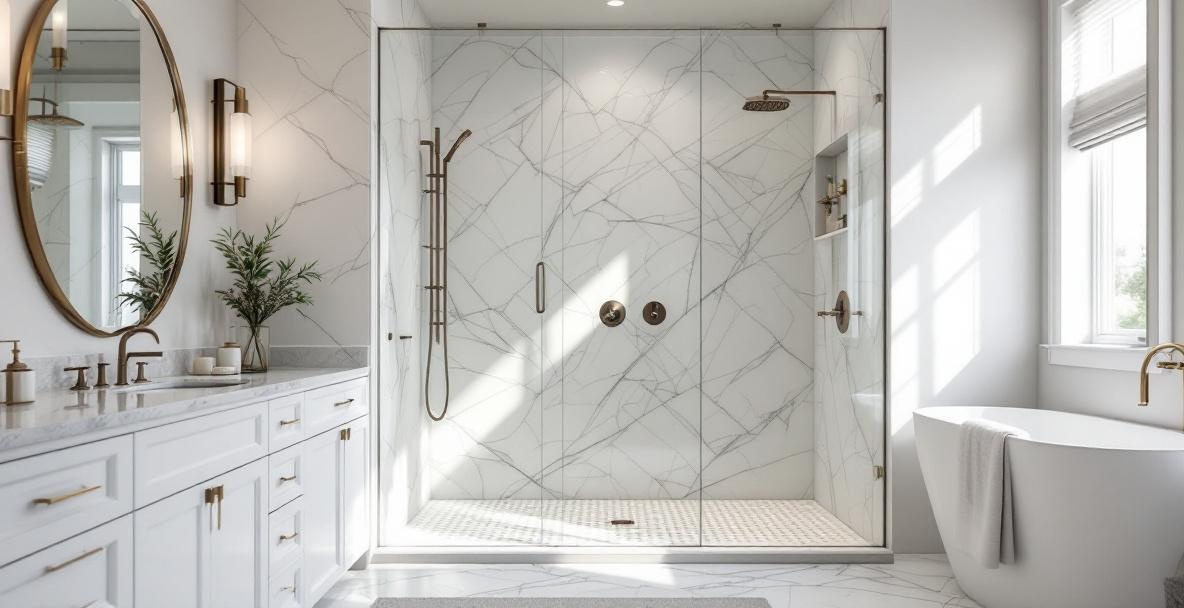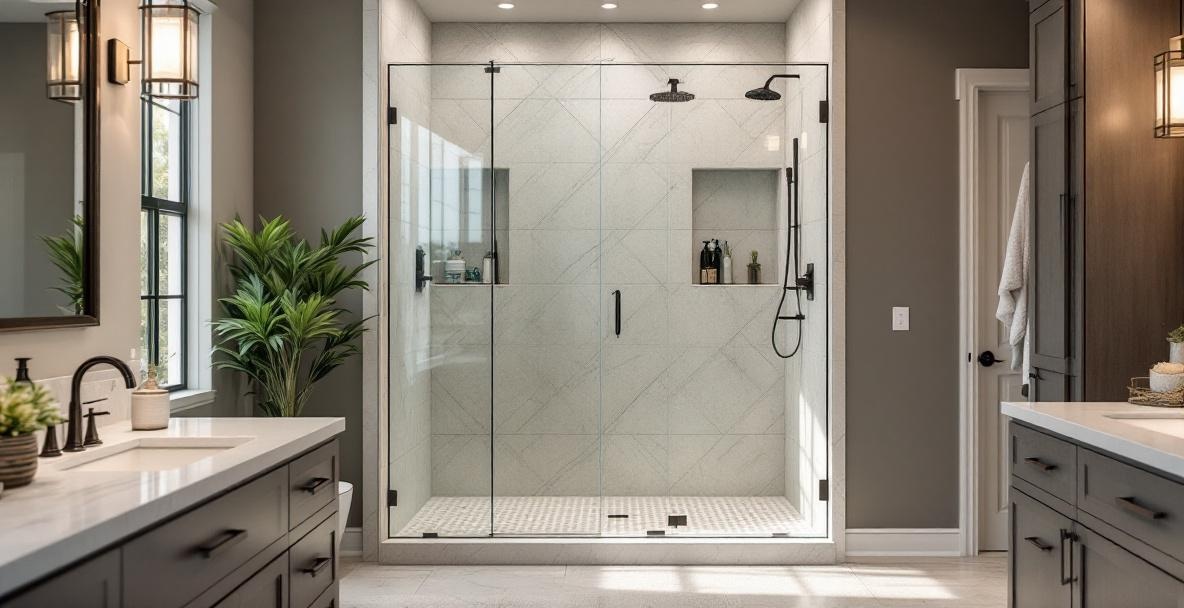
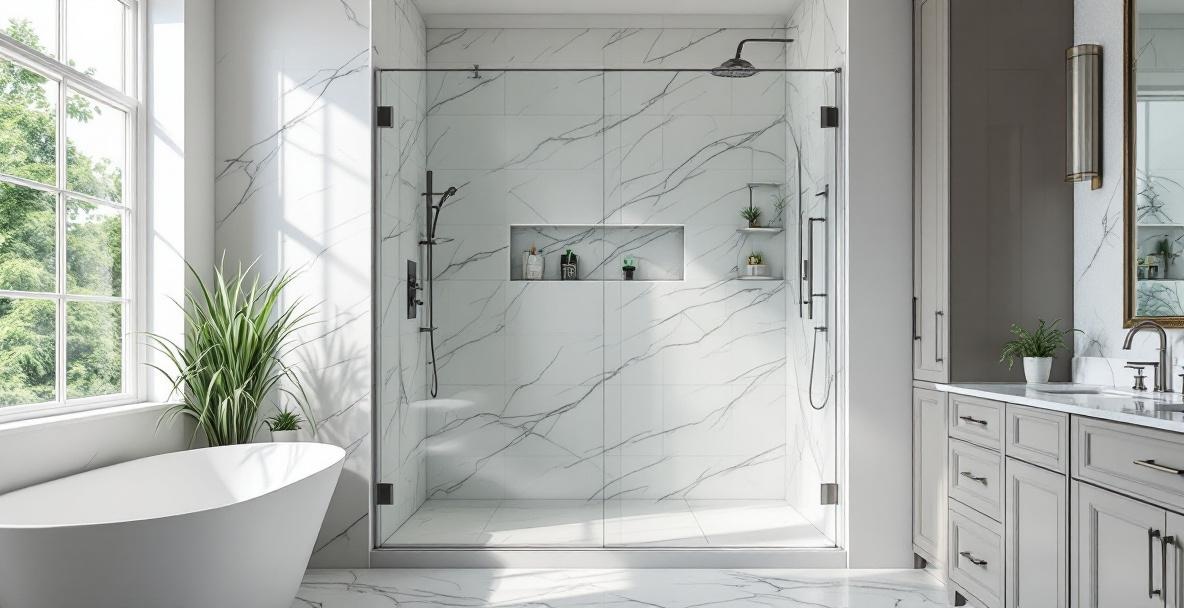
The most expensive shower enclosure mistakes happen before installation begins — in the planning and measurement phase. Walls that are out of plumb, inadequate swing clearance, and wrong glass thickness account for the majority of costly rework projects. Here are the 10 most common errors and exactly how to avoid them.
A shower enclosure is one of the most visible investments in a bathroom. Get it right and it elevates the entire room for decades. Get it wrong and you're looking at leaks, gaps, hardware failures, or a complete reinstall.
These mistakes come from years of seeing what goes wrong when homeowners, contractors, and even some installers skip critical planning steps.
Mistake 1: Not Checking If Walls Are Plumb Before Ordering
This is the single most common and costly error in frameless shower enclosure installation. Walls that are out of plumb — leaning in, out, or tapering from floor to ceiling — cause glass panels to gap at the wall seam. Water infiltrates the gap. Tile gets wet. Substrate deteriorates.
Rocky Mountain Glass notes that walls more than 1/4 inch out of plumb create visible gaps between glass and wall in frameless installations (Cardinal Glass 2025). For standard plumb verification: hold a 4-foot level against each wall the glass will contact, at multiple heights.
The fix: Assess wall plumb before any glass is ordered. Minor variations (under 1/4 inch) can be addressed with silicone sealing. Significant variations require custom-cut glass with tapered edges or wall correction work before installation.
Mistake 2: Measuring the Opening Yourself for Custom Glass
Homeowner measurements are routinely off by enough to cause problems. Walls that look straight to the eye are often tapered or bowed. Measuring at one height gives a different number than measuring at three heights.
Tempered glass cannot be cut, drilled, or modified after tempering (CPSC 2025). An error in measurement means a new panel — full price.
The fix: For any custom frameless installation, always have the glass company send a professional to take field measurements before fabrication. This is standard practice at reputable companies and non-negotiable for accurate work.
Mistake 3: Underestimating Swing Clearance Requirements
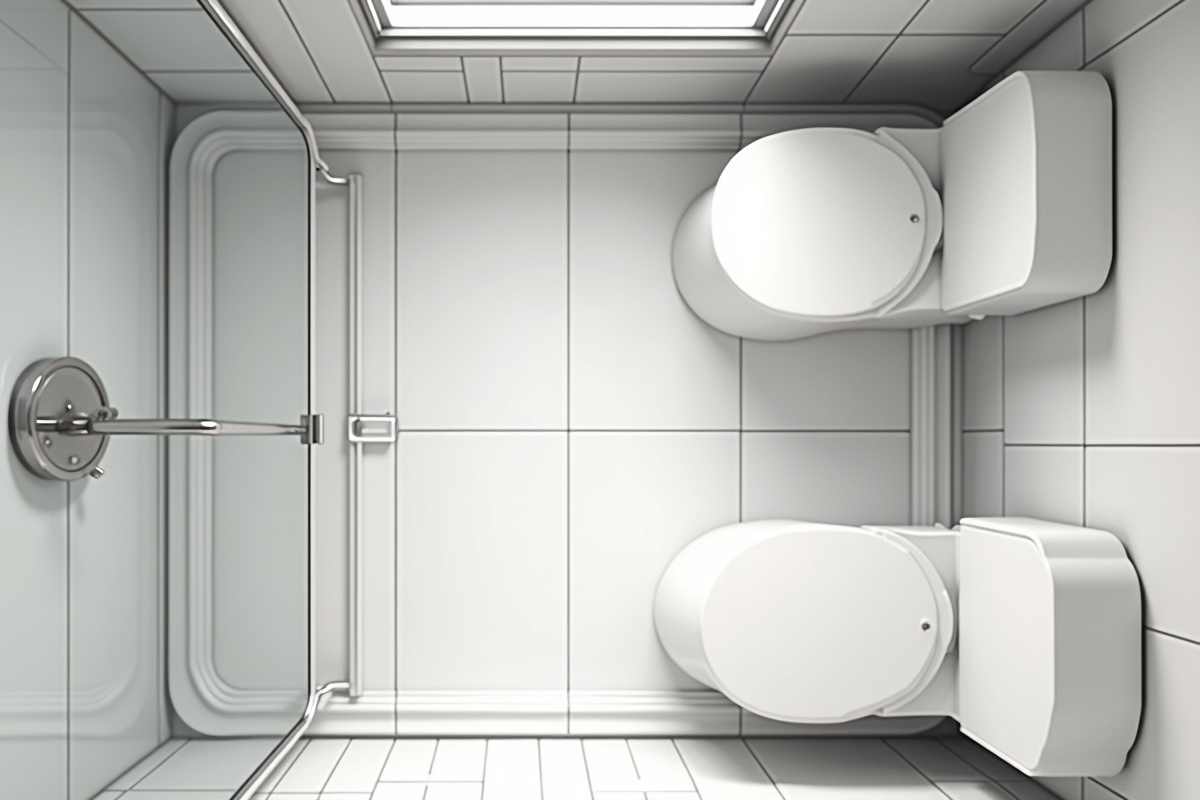
A frameless hinged shower door is elegant in photos but impractical in a bathroom where the toilet sits 24 inches from the shower opening. The door arc equals the door width — a 30-inch door needs 30 inches of free swing space.
The bathroom layout on the showroom floor rarely matches yours.
The fix: Before specifying a hinged or pivot door, measure the clear floor space in front of the shower opening and identify what's within the door swing arc (toilet, vanity, wall). If clearance is insufficient, consider a sliding bypass, bi-fold, or walk-in configuration instead.
Mistake 4: Choosing Glass That's Too Thin for the Enclosure Size
For frameless glass panels, thickness matters for structural stability and visual quality. A large frameless panel in 1/4-inch glass flexes, vibrates, and feels insubstantial. ABC Glass research indicates that panels must be at least 4.5 inches wide to accommodate the tempering process — and that's the absolute minimum, not the functional standard.
Standard thickness guidelines:
- Framed doors: 1/4 inch (6mm) — acceptable with full frame support
- Semi-frameless panels: 5/16 inch (8mm) — minimum for mid-size panels
- Frameless doors and panels: 3/8 inch (10mm) minimum; 1/2 inch (12mm) preferred for large panels over 36 inches wide
The fix: Specify 3/8-inch glass for any frameless application. For panels wider than 36 inches or taller than 78 inches, move to 1/2 inch.
Mistake 5: Installing on Substrate That Isn't Waterproofed
Glass stops water from leaving the shower. But if the substrate behind the tile isn't properly waterproofed, water that gets through grout lines or around the enclosure perimeter will saturate the wall and cause mold, rot, or structural damage.
Common in older DFW homes: standard drywall behind tile. Drywall wicks moisture even without direct contact — and it fails over time.
The fix: Verify that tile substrate is cement board, foam board (Schluter-KERDI system, Wedi, or similar), or another approved waterproof backer before installing any shower glass enclosure. If you're renovating, this is the time to correct substandard substrate.
Mistake 6: Ignoring Drainage Slope and Drain Position
The shower floor must slope toward the drain — typically 1/4 inch per foot — for water to drain completely rather than pooling (NAHB 2025). A shower enclosure installed over a floor with inadequate slope causes standing water issues at the door threshold and accelerates deterioration of the bottom sweep seal.
Walk-in (no-threshold) configurations are particularly sensitive: without a curb to contain water, the floor slope is the only thing preventing water from running onto the bathroom floor.
The fix: Verify drain slope before enclosure installation. For new construction, confirm drain position relative to the shower enclosure footprint — the drain should be centered or positioned to ensure all floor areas slope toward it.
Mistake 7: Mismatching Hardware Finishes Across the Bathroom
Shower door hardware that doesn't coordinate with faucets, showerhead, towel bars, and vanity fixtures looks accidental — a visible sign of poor planning regardless of glass quality.
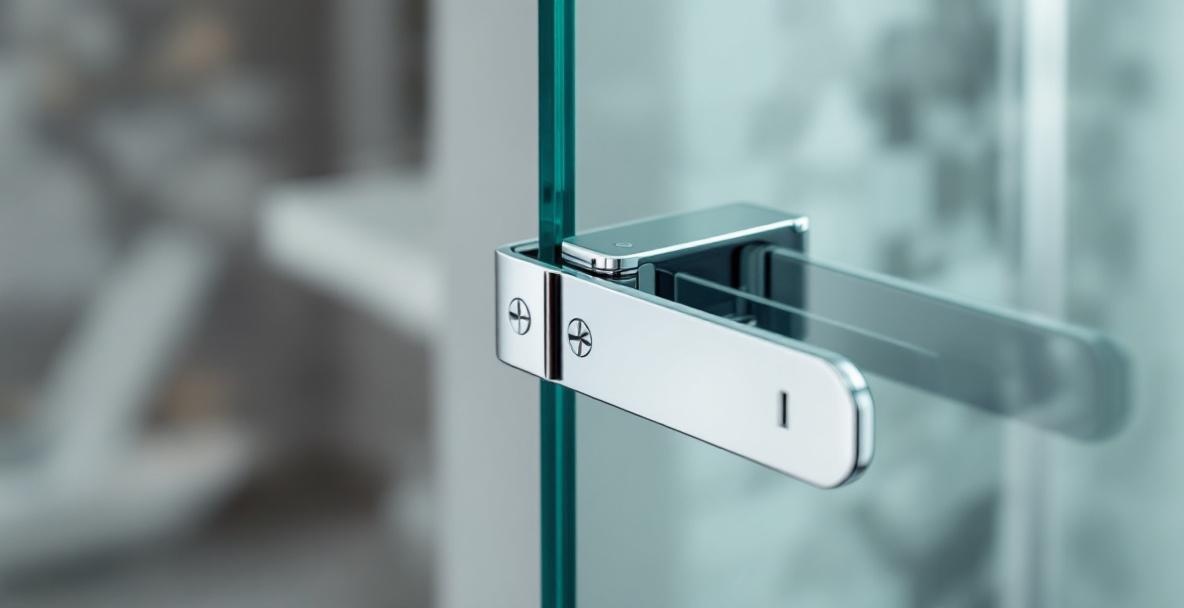
The fix: Identify all existing fixture finishes before specifying hardware. The shower door handle, hinges, and header bar should match or intentionally complement the dominant finish. Brushed nickel is the most versatile finish — it reads as neutral against chrome, polished nickel, and most warm-toned metals. Matte black, brushed gold, and oil-rubbed bronze create stronger statements that require coordination across all fixtures.
If you're renovating the entire bathroom, choose shower door hardware first — then select faucets, towel bars, and accessories to match. It's easier to find matching accessories for a shower door finish than vice versa, since shower door hardware collections are narrower.
Mistake 8: Skipping the Silicone Sealing Step
Silicone bead sealing at glass-to-wall, glass-to-glass, and glass-to-floor joints is the final waterproofing layer. Skipped or poorly applied silicone leaves gaps that water exploits immediately.
Silicone degrades over time — typically 3–5 years before visible cracking or shrinkage occurs. Periodic reapplication is maintenance, not failure.
The fix: Verify silicone is applied at all glass contact surfaces during installation. Use 100% silicone (not latex caulk) in a color matched to grout or hardware. Schedule silicone inspection and reapplication every 3–5 years as standard maintenance.
Mistake 9: Choosing Incompatible Glass Texture With Tile Pattern
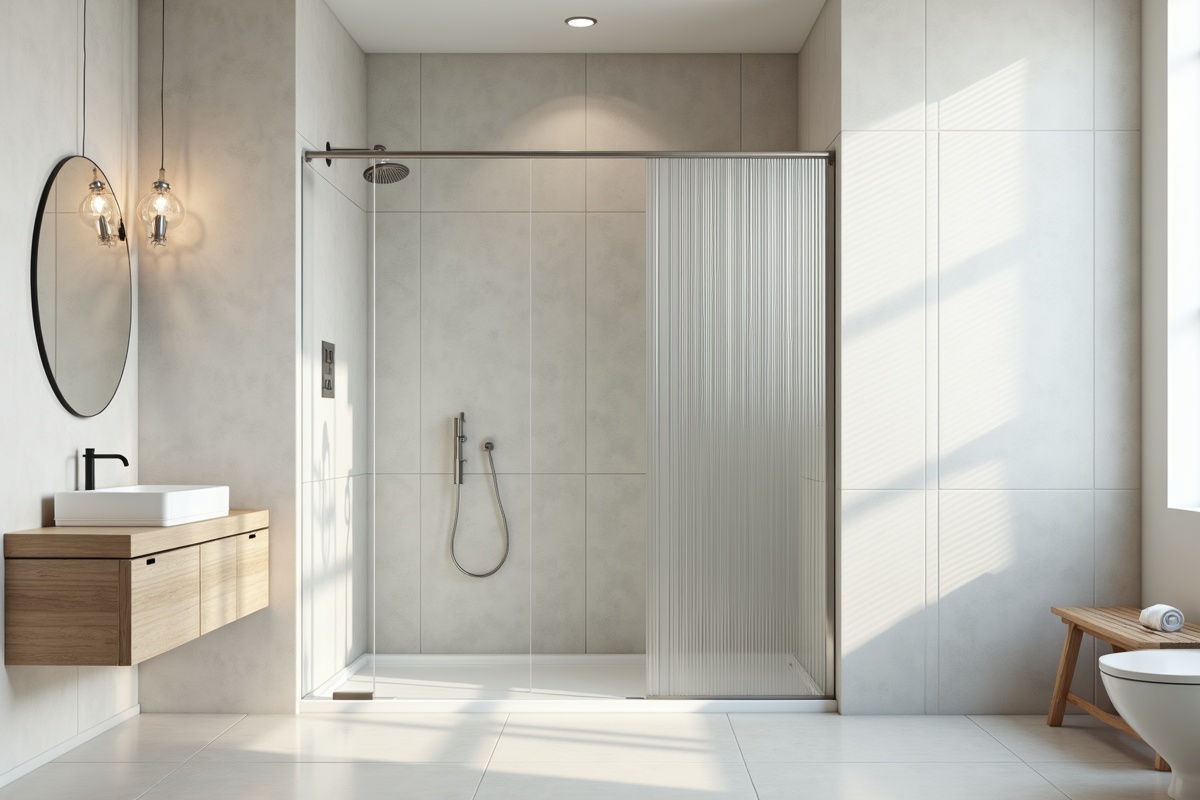
Large-format tile and reeded (fluted) glass can clash visually when the panel lines don't align. Busy tile patterns behind frosted glass produce a confusing visual texture — the frosting obscures the tile without eliminating the visual noise.
The fix: Treat shower glass and tile as a coordinated design decision, not separate choices. Reeded glass reads best against simple, large-format tile or solid-surface walls. Frosted or rain glass works best when the wall behind is relatively neutral. Clear glass showcases strong tile patterns effectively.
Mistake 10: Not Getting a Professional Field Measurement Visit
Online ordering and big-box store templates push homeowners toward self-measurement. It works for framed, adjustable doors with forgiving tolerances. It fails for custom frameless enclosures with exacting fits.
Custom frameless glass is fabricated to your precise measurements and tempered — two processes that lock in the dimensions permanently. Field measurement by a professional takes 20–30 minutes and eliminates fabrication errors.
The fix: Any custom frameless enclosure project should include a professional measurement visit before glass is ordered. At Infinity Glass & Glazing, this visit is included in all custom projects. It's the single most effective error-prevention step in the entire process.
What is the biggest shower enclosure mistake homeowners make?
The most expensive and most common mistake is ordering custom glass based on homeowner measurements that are slightly off. Since tempered glass cannot be modified after fabrication, measurement errors mean a full replacement panel. Always have a professional measure custom frameless projects before ordering.
How plumb do shower walls need to be for a frameless enclosure?
Walls should be within 1/4 inch of plumb across the height of the shower opening. Variations beyond that cause visible gaps between glass and wall. Minor variations can be managed with silicone sealing and slight glass edge shimming; significant variations require wall correction before installation.
Can frameless shower glass be installed on drywall?
Frameless glass itself can be installed against a drywall-surfaced wall — the glass doesn't require a specific substrate. The critical issue is what's behind the tile. Standard drywall as a tile substrate in wet areas fails over time as it absorbs moisture. The correct substrate behind shower tile is cement board, foam waterproof board, or a full membrane waterproofing system.
What is the minimum glass thickness for a frameless shower door?
3/8 inch (10mm) tempered glass is the minimum for frameless shower doors. This provides adequate structural stability for door panels up to about 36 inches wide and 78 inches tall. For larger panels — wide walk-in configurations or floor-to-ceiling installations — 1/2 inch (12mm) is the appropriate specification.
How do I prevent leaks in a frameless shower enclosure?
Leaks in frameless enclosures typically occur at three points: the glass-to-wall seal (silicone bead), the glass-to-floor seal (bottom sweep), and the hinge or pivot connection if not properly fitted. Ensure silicone is applied completely at all glass contact surfaces, the bottom sweep makes full contact with the floor or threshold, and hardware is correctly installed and periodically inspected. Reapply silicone every 3–5 years.
Also see our shower door buyer guide and our frameless shower doors in DFW.
Infinity Glass & Glazing provides professional field measurement, in-house glass fabrication, and precision installation across DFW. We serve Corinth, Denton, Lewisville, Flower Mound, Frisco, Southlake, Keller, McKinney, and surrounding areas. Contact us for a free estimate — and avoid these mistakes from the start.
Related reading: