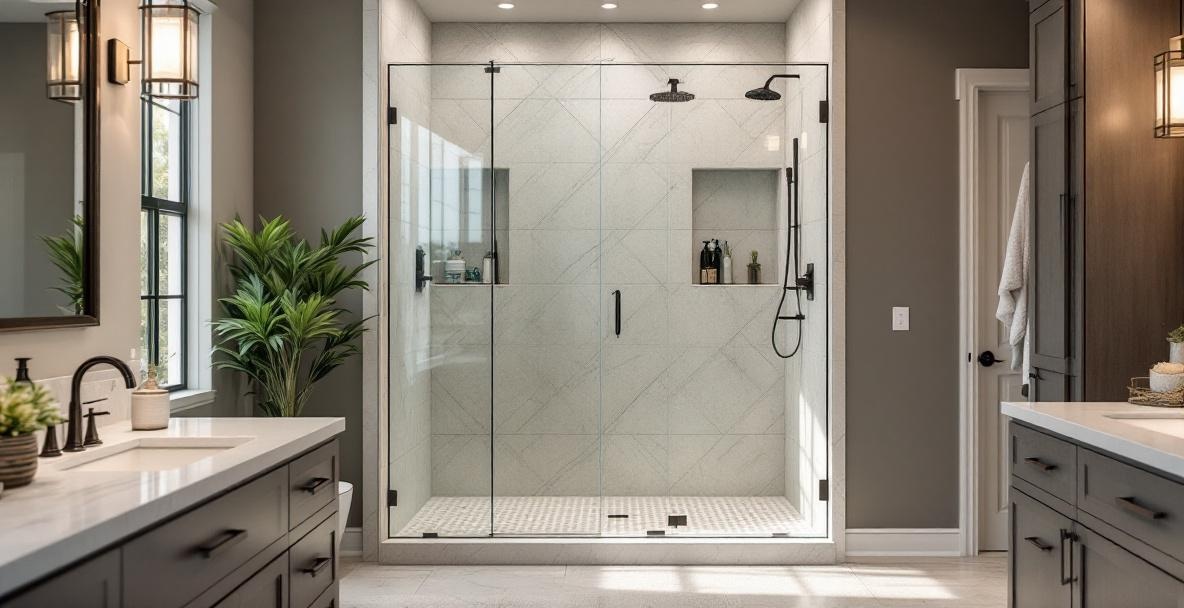
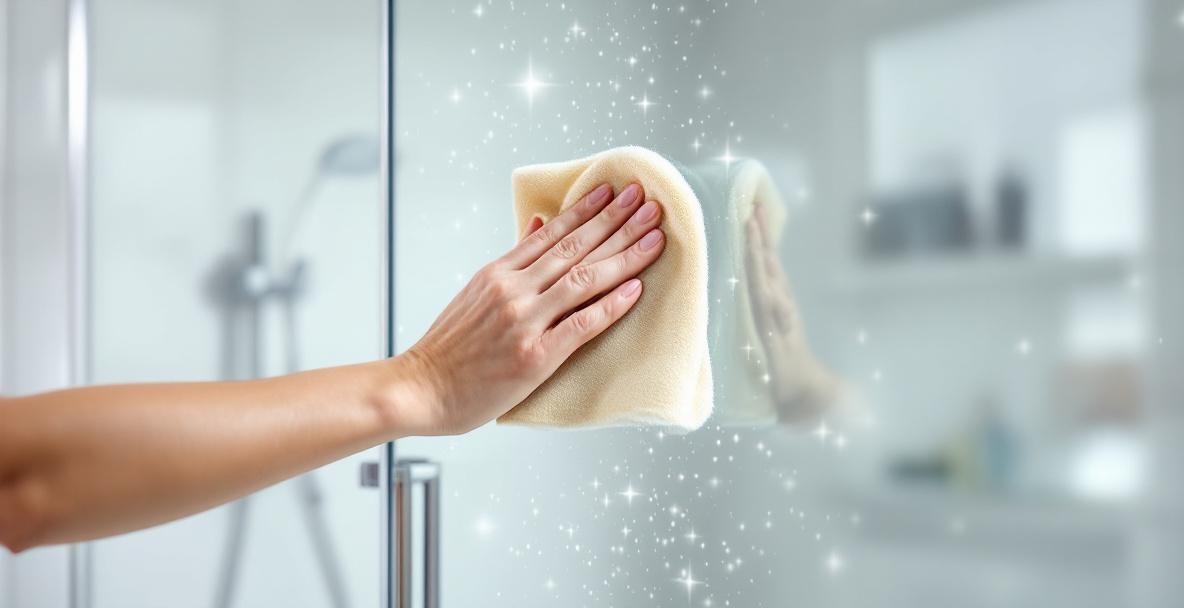
Glass shower doors stay crystal clear with one daily habit: squeegee every panel after each shower. That 30-second routine prevents 90% of the hard water buildup, soap scum, and mineral deposits that make cleaning feel like a losing battle — especially in DFW where water hardness regularly exceeds 200 mg/L.
Hard water is the enemy of glass shower doors in North Texas. The Dallas Water Utilities reports average water hardness of 140–180 ppm across the metro, with some Denton County municipalities running even higher (TWDB 2024). Every drop that dries on your glass leaves calcium and magnesium behind. Over weeks, those deposits etch into the surface if untreated.
The good news: a consistent, simple routine beats heroic occasional scrubbing every time.
Why Does Shower Glass Cleaning Feel Like a Constant Battle?
More than 80% of U.S. homes have hard water according to the USGS — and DFW sits firmly in that majority. When hard water evaporates on glass, it leaves mineral deposits (primarily calcium carbonate) that bond to the surface. Add body oils, shampoo residue, and soap scum, and you get a layered film that standard bathroom cleaners struggle to cut.
Frameless glass doors actually accumulate buildup differently than framed doors. Without metal channels and rubber gaskets trapping water, frameless enclosures tend to stay cleaner — but the large, uninterrupted glass panels make any haze visible instantly.
The type of glass you have also matters. Treated glass with a hydrophobic coating repels water droplets and dramatically reduces mineral bonding. Standard untreated glass is more porous at the microscopic level and requires more frequent attention.
What Are the Best Daily Habits for Clean Shower Glass?
The single highest-impact habit is a 30-second squeegee after every shower. Pull the blade from top to bottom in overlapping strokes, then wipe the blade between passes. This removes standing water before minerals can bond.
Daily routine (30–60 seconds total):
- 1
Squeegee top to bottom
Use a quality rubber-blade squeegee — a $8–$12 squeegee outperforms a dollar store version significantly. Work in vertical overlapping strokes. Hang the squeegee inside the shower so it's always within reach.
- 2
Wipe the bottom seal and threshold
Water pools at the bottom of frameless enclosures. A quick wipe with a microfiber cloth prevents mildew growth in the silicone bead.
- 3
Leave the door open
Prop the shower door open slightly after showering to let air circulate. Trapped humidity is what feeds mildew on seals and frames.
Consistency matters more than product choice. A $3 squeegee used daily beats a $40 specialized cleaner used monthly.
What Are the Best DIY Cleaning Solutions for Shower Glass?
Several household ingredients cut soap scum and light mineral deposits effectively without damaging glass or seals.
| White vinegar + water (1:1) |
| Dish soap + warm water |
| Baking soda paste |
| Lemon juice + baking soda |
| Commercial glass cleaner (ammonia-free) |
The vinegar method step by step:
- 1
Mix and apply
Combine equal parts white vinegar and warm water in a spray bottle. Spray generously on the glass and let it sit for 3–5 minutes. The acetic acid needs time to dissolve calcium carbonate bonds.
- 2
Scrub gently
Use a non-scratch scrubbing pad or soft microfiber cloth. Work in circular motions on spotted areas. Avoid steel wool, abrasive pads, or anything that can scratch the glass surface.
- 3
Rinse thoroughly
Rinse with warm water to remove all vinegar residue. Leftover acid can dull hardware finishes over time if not rinsed completely.
- 4
Squeegee and dry
Squeegee the panel, then buff with a clean microfiber cloth for a streak-free finish.
Never use vinegar on natural stone tile, travertine, or marble near your shower enclosure. The acidity etches stone surfaces permanently. If your shower has stone tile floors or walls, confine vinegar to the glass panels only.
How Do You Remove Stubborn Hard Water Stains From Shower Glass?
Light daily maintenance prevents hard water stains from forming. But if you're starting with a neglected door, here's how to tackle established buildup.

For moderate buildup (1–3 months of neglect):
A paste of baking soda and white vinegar applied and left for 10–15 minutes before scrubbing typically removes most deposits. Commercial products like Bar Keepers Friend (oxalic acid-based) or CLR are effective on stubborn calcium buildup. Follow product instructions exactly — most recommend no more than 2 minutes of contact time.
For severe buildup (6+ months):
Heavy mineral deposits may require a professional-grade calcium remover or a diluted muriatic acid solution — but acid treatments should only be applied by professionals. Improper use can damage seals, etch hardware, and potentially compromise glass integrity. If you're looking at heavy white-gray scaling, contact a glass professional for assessment.
What you should never use on shower glass:
- Steel wool or wire scrubbers (permanent scratches)
- Bleach on metal hardware (causes pitting and discoloration)
- Abrasive powder cleansers like Comet directly on glass
- Razor blades (unless specifically designed for glass — standard blades cause micro-scratches)
A professional glass restoration service can polish out moderate etching and restore clarity to clouded shower doors. This costs $150–$350 depending on door size — far less than full replacement.
Do Professional Coatings Actually Prevent Buildup?
Yes — and the results are dramatic. Hydrophobic coatings like Diamon-Fusion, EnduroShield, and Rain-X for Glass create a molecular barrier that causes water to bead and roll off rather than spread and evaporate on the surface. Industry data from Diamon-Fusion indicates properly applied coatings reduce cleaning frequency by up to 90%.
90%
reduction in cleaning frequency with professional hydrophobic glass coatings ([Diamon-Fusion](https://www.diamonfusion.com/))
Coatings are applied either at the factory on new glass or as a retrofit treatment on existing doors. Factory-applied coatings (like Diamon-Fusion's DF Shield) are the most durable — bonded during manufacturing. Retrofit coatings applied to existing glass typically last 1–3 years before reapplication.
Cost for professional coating application on an existing shower enclosure runs $100–$250 depending on glass area (HomeGuide 2026). For new shower door installations in DFW, ask whether hydrophobic coating is included or available as an add-on.
Does Cleaning Differ for Frameless vs. Framed Shower Doors?
Yes — the frame design affects both where buildup concentrates and what tools work best.
Frameless glass:
- Buildup is most visible on large uninterrupted glass panels
- No metal channels to trap water and soap scum
- Clean with squeegee + microfiber; access every part of the panel easily
- Inspect silicone bead at glass-to-glass joints monthly
Framed shower doors:
- Metal channels and tracks trap water, soap scum, and mildew
- Track cleaning requires an old toothbrush or narrow brush
- Aluminum frames can oxidize from harsh cleaners — use pH-neutral products
- Rubber gaskets need monthly inspection and can be replaced when they deteriorate
Semi-frameless:
- Metal top rail and bottom track, frameless sides
- Clean rails with track brush; clean glass panels with standard squeegee method
- Pay attention to where glass meets metal — soap scum concentrates at those transitions

What Are the Most Common Mistakes That Damage Shower Glass?
Several common cleaning habits actually accelerate glass deterioration:
Using the wrong tools: Abrasive scrubbers create micro-scratches that trap minerals and make glass progressively harder to clean. Always use soft microfiber or non-scratch pads.
Letting cleaning products dry on glass: Spray cleaners and vinegar solutions left too long (10+ minutes) can leave their own residue and potentially affect hardware finishes. Apply, wait briefly, then rinse.
Ignoring the door seal and bottom sweep: The silicone bottom sweep keeps water inside the enclosure. Cleaning the glass while neglecting the sweep leads to water damage on the floor and subfloor. Wipe seals weekly and replace when they show cracking or deformation.
Using hard tap water to rinse: If your water is very hard, rinsing with the same hard water re-deposits minerals. For a streak-free final rinse, use distilled water from a spray bottle or buff immediately with a dry microfiber cloth.
Skipping consistent maintenance: The most damaging habit is irregular deep cleaning. Hard water minerals that sit on glass for months begin chemically etching the surface — at that point, no household cleaner can restore clarity.
How often should I clean glass shower doors?
Squeegee after every shower (30 seconds). Do a full cleaning with vinegar solution or glass cleaner weekly. Deep-clean with a mineral deposit remover monthly if you have hard water. In DFW's hard water environment, weekly cleaning is the minimum to prevent permanent buildup.
Does vinegar damage shower glass or seals?
Diluted white vinegar (50/50 with water) is safe on tempered glass and most metal hardware. Rinse thoroughly after use. Do not use vinegar on natural stone nearby, and avoid prolonged contact with brass or oil-rubbed bronze hardware as it can affect the finish. Never use undiluted vinegar.
What's the best homemade shower glass cleaner?
Equal parts white vinegar and warm water in a spray bottle is the most effective and affordable DIY cleaner for soap scum and light mineral deposits. For heavier buildup, make a paste with baking soda and dish soap, apply, wait 5 minutes, scrub gently, and rinse. Both work well on standard tempered glass.
How do I prevent water spots on shower glass?
The squeegee-after-every-shower habit prevents 90% of water spots. A professional hydrophobic coating makes water bead off rather than spread. Leaving the bathroom fan running for 20 minutes post-shower also reduces mineral deposit formation by accelerating drying.
Is Magic Eraser safe on shower glass?
Magic Erasers (melamine foam) are mildly abrasive. They can remove light soap scum effectively but should not be used aggressively on treated or coated glass — the abrasive action can degrade hydrophobic coatings. On standard uncoated tempered glass, occasional careful use is generally safe. Avoid on any low-iron or specialty glass.
Infinity Glass & Glazing serves the DFW metro from our Corinth, TX location — including Denton, Lewisville, Flower Mound, Highland Village, Frisco, Southlake, Keller, McKinney, and surrounding communities. If your shower glass has reached the point where cleaning alone won't restore it, or if you're ready to upgrade to a frameless enclosure with factory-applied hydrophobic coating, contact us for a free estimate.
Related reading: frameless shower doors in DFW and our bathroom renovation glass options.
Related reading: