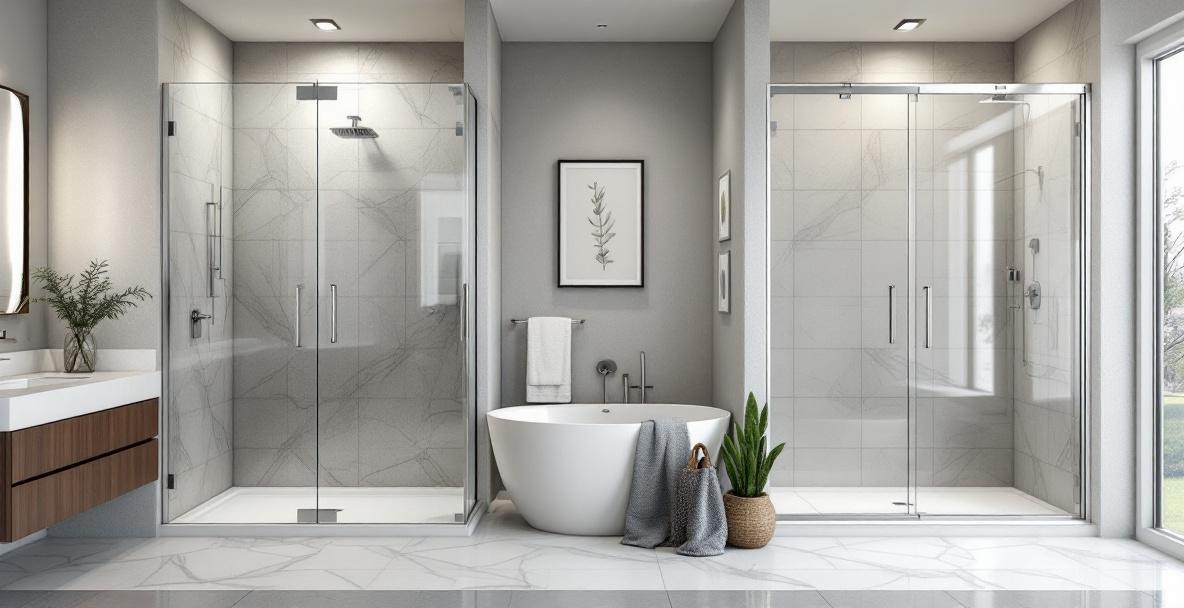
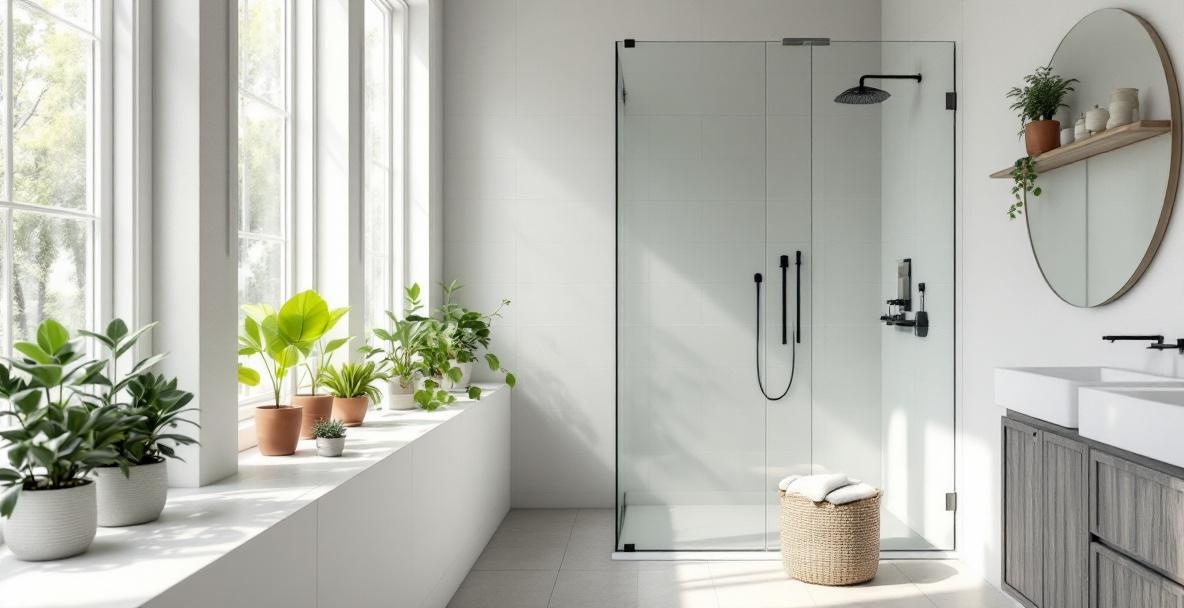
Glass is one of the most inherently sustainable building materials available. It is made from abundant natural silica, is 100% recyclable without quality loss, has a service life measured in decades rather than years, and — when used as a frameless shower enclosure — eliminates the need for plastic curtain liners, metal tracks, and chemical-heavy cleaning products. For DFW homeowners who want eco-friendly bathroom choices that also look exceptional, glass is the clear starting point.
Sustainability in home design has moved from a niche concern to a mainstream priority. The global sustainable construction materials market was valued at $275.38 billion in 2025 and is projected to reach $845.78 billion by 2035, growing at a 12.5% compound annual rate (InsightAce Analytic 2025). Homeowners in Flower Mound, Southlake, and across the DFW Metroplex are asking the right questions: which bathroom products are genuinely sustainable, which are greenwashed, and how do glass-based options compare to alternatives like acrylic and plastic? This guide answers all three.
What Makes Glass a Sustainable Material?
Glass earns its sustainability credentials across three dimensions: recyclability, longevity, and material origin.
Recyclability: Glass is 100% recyclable indefinitely without any degradation in material quality. Every ton of recycled glass used in new production prevents approximately 1.2 tons of raw materials from being quarried. The global recycled glass market was valued at $4.76 billion in 2026 and is expected to grow to $7.4 billion by 2034 (Fortune Business Insights 2024).
Longevity: Tempered glass used in shower enclosures has a service life of 20–30 years or more when properly maintained. Compare that to acrylic shower surrounds, which typically degrade, yellow, and require replacement within 10–15 years. A longer-lived product means fewer replacement cycles and less material in landfills over a 30-year home ownership period.
Material origin: Float glass is primarily silica (sand), soda ash, and limestone — all abundant natural materials. The mining footprint is significantly lower than materials like steel, aluminum, or composite polymers.
100%
of glass is recyclable indefinitely without quality loss — making it one of the most circular building materials available
How Is Recycled Glass Used in Bathroom Design?
Recycled glass enters the bathroom in two primary forms: as functional structural panels and as decorative surface materials.
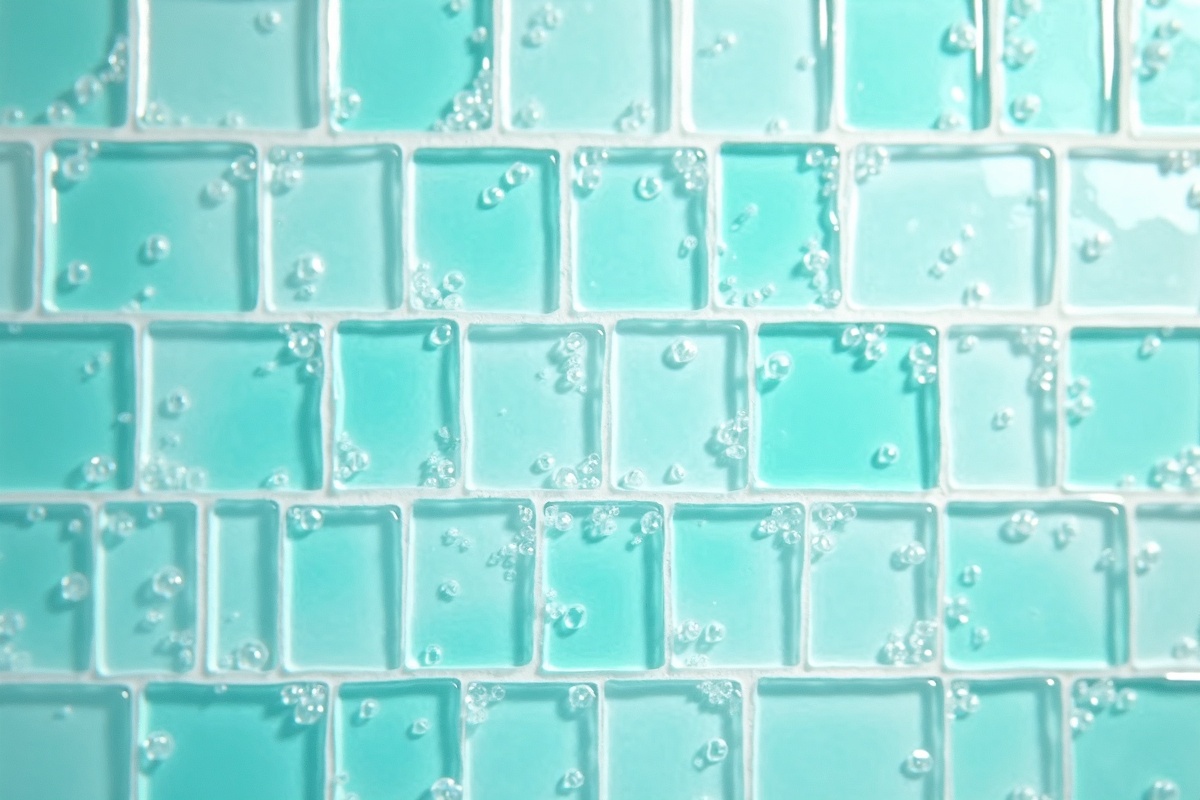
Recycled glass tile: Tiles made from post-consumer or post-industrial recycled glass are available in a wide range of colors and formats — mosaic, subway, large-format, and hand-cut. High recycled-content glass tile can contain 80–100% recycled material and is a popular choice for shower walls, backsplashes, and feature accents. The texture and translucency of recycled glass tile creates a depth and luminosity that ceramic tile cannot replicate.
High-cullet content float glass: The most common path for recycled glass in functional bathroom products is as cullet — crushed recycled glass — blended into the raw batch for new float glass production. Industry data from the Glass Packaging Institute indicates that increasing the cullet input in float glass manufacturing reduces energy consumption by 20–30% and lowers CO2 emissions proportionally (Glass Packaging Institute). When purchasing glass panels for a shower enclosure, asking your glass supplier about cullet content is a meaningful sustainability question.
What Eco-Friendly Shower Enclosure Options Exist?
For the shower enclosure itself — the structural glass panels and door — several choices affect the overall environmental footprint:
Frameless glass enclosures: The most sustainable shower enclosure type. A frameless design uses significantly less metal than framed or semi-framed alternatives (eliminating the full perimeter metal channel), and it eliminates the need for plastic shower curtains and liner replacements entirely. A quality frameless enclosure installed by Infinity Glass & Glazing in Corinth, TX will outlast two or three shower curtain replacement cycles and every plastic liner that would have gone into the landfill.
Low-iron glass panels: Produce no additional environmental impact in manufacturing compared to standard float glass, but their superior light transmission reduces the need for artificial lighting in the shower zone — a marginal but real energy efficiency benefit.
Locally sourced fabrication: Choosing a DFW-based glass fabricator like Infinity Glass & Glazing reduces transportation emissions compared to ordering factory-assembled enclosures shipped from out of state. Custom local fabrication also minimizes waste — panels are cut to exact measurements rather than shipped in standard sizes that require on-site trimming.
How Do Protective Coatings Reduce Water and Chemical Use?
One of the most overlooked sustainability benefits in bathroom glass is the category of protective hydrophobic coatings applied to shower glass surfaces. Products like EnduroShield, ClearShield, and similar professional coatings bond to the glass surface at a molecular level and cause water, soap scum, and mineral deposits to bead and run off rather than bond.
The practical environmental impact: a coated shower requires significantly less cleaning frequency, uses dramatically less chemical cleaner per cleaning session, and reduces the volume of water used for rinsing. Over a 10-year period, the reduction in cleaning product consumption and water use is meaningful — and the coating itself is a one-time application that lasts 10+ years with proper maintenance.
20-30%
reduction in energy consumption when high-cullet recycled glass content is used in float glass manufacturing (Glass Packaging Institute)
How Does Glass Compare to Plastic Environmentally?
| Recyclability |
| Service life |
| Material origin |
| Cleaning chemicals needed |
| Yellowing / degradation |
| End-of-life fate |
Acrylic and fiberglass surrounds are petroleum-derived, difficult to recycle in standard municipal streams, and degrade visibly over time — requiring replacement and generating landfill waste. A tempered glass enclosure produces no microplastics, does not leach compounds into the water supply, and at end of life can be recycled into new glass products rather than entering a landfill.
How Do You Choose Sustainable Glass in DFW?
For DFW homeowners ready to make sustainable glass choices, here is a practical checklist:
- 1
Choose a Local Fabricator
Select a DFW-based glass company that fabricates panels locally. This reduces transportation-related emissions and supports local manufacturing. Infinity Glass & Glazing fabricates and installs in Corinth, TX — minimizing the supply chain footprint for every project in the Metroplex. - 2
Ask About Glass Composition
Request low-iron or high-cullet content glass when available. Not all suppliers offer transparency about glass composition, but asking the question is a useful filter for choosing a supplier who values material sourcing. - 3
Select Frameless Over Framed
Frameless enclosures use less metal overall, eliminate plastic liner waste, and last longer — all of which reduce lifetime environmental impact compared to framed alternatives. - 4
Add a Protective Coating
Ask your installer about hydrophobic glass coating at installation time. A professionally applied coating reduces cleaning chemical use and water consumption over the life of the enclosure. - 5
Consider Recycled Glass Tile for Surfaces
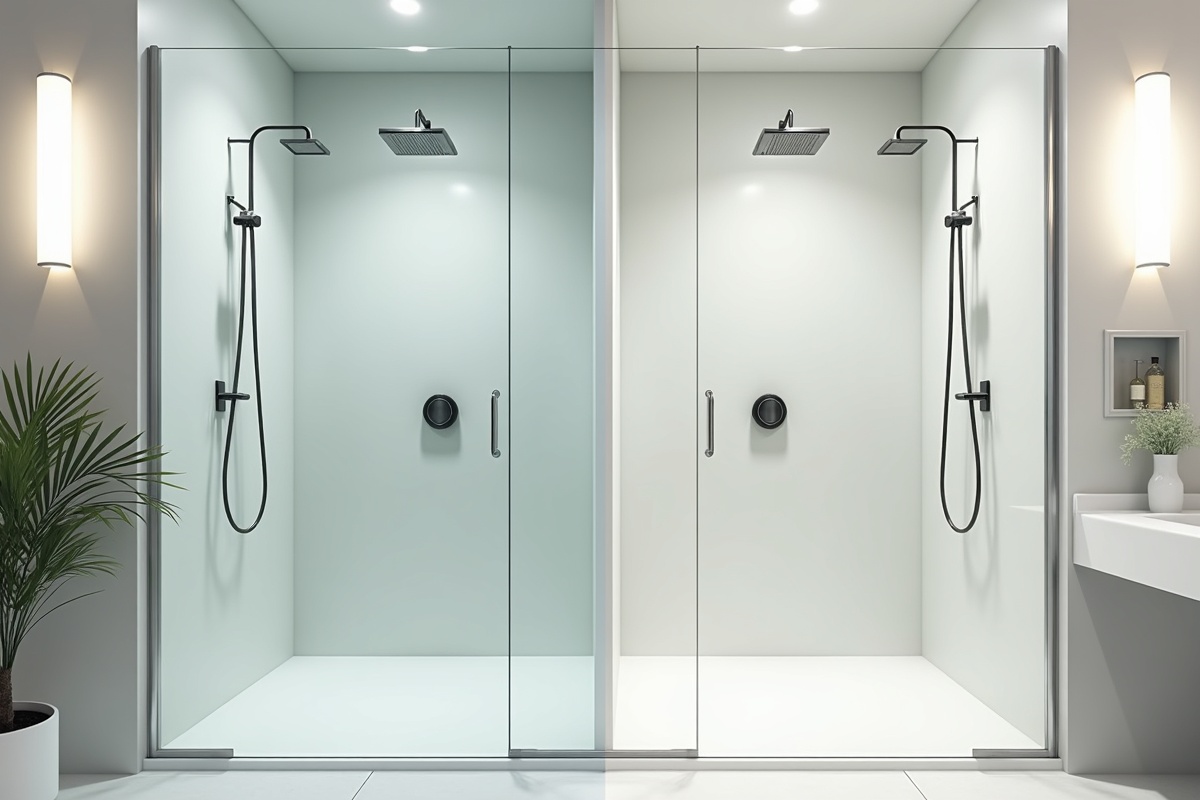
If you are retiling the shower walls or floor, source tile with high recycled glass content. Coordinate with your glass fabricator to ensure the glass panel tone complements the tile color — recycled glass tile colors can vary from batch to batch.
Are Sustainable Glass Products More Expensive?
In upfront cost, yes — modestly. Low-iron glass panels add $150–$350 to a standard enclosure. Recycled glass tile costs $10–$35 per square foot compared to $2–$8 for basic ceramic. Hydrophobic coatings add $100–$300 at installation.
In total cost of ownership, sustainable glass choices are equal or better to conventional alternatives. The longer service life of a frameless glass enclosure (20–30 years vs. 10–15 for acrylic), the elimination of curtain and liner replacements, and the reduced cleaning product cost over the enclosure's life offset the upfront premium within 5–8 years for most households.
Is glass more sustainable than acrylic for a shower enclosure?
Yes, across nearly every sustainability metric. Glass is made from abundant natural materials (silica, soda ash), is 100% recyclable without quality loss, lasts 20–30 years vs. 10–15 for acrylic, generates no microplastics, and does not degrade or yellow. Acrylic is petroleum-derived, difficult to recycle in standard municipal streams, and typically ends up in a landfill at end of life.
What percentage of shower glass is recyclable?
Tempered glass is 100% recyclable. However, tempering glass changes its breakage characteristics in a way that requires specialized recycling streams — it cannot be mixed with standard flat glass recycling. When a tempered glass panel reaches end of life, it should go to a glass recycler equipped to handle tempered glass rather than a standard municipal glass bin.
Do eco-friendly coatings actually reduce chemical use?
Yes, measurably. Hydrophobic coatings cause water and soap to bead and run off the surface rather than bonding, which dramatically reduces the accumulation of soap scum and mineral scale. Independent testing by coating manufacturers shows that coated glass requires cleaning 90% less frequently than uncoated glass in comparable water hardness conditions. In North Texas, where hard water is common, this benefit is particularly significant.
How long do tempered glass shower doors last compared to alternatives?
Properly installed tempered glass shower doors typically last 20–30 years or more. The hardware (hinges, handles) may require replacement or tightening at 10–15 years depending on finish and use frequency, but the glass panels themselves rarely need replacement. Acrylic surrounds begin showing crazing, yellowing, and surface scratching within 5–10 years and typically require full replacement by 12–15 years.
What certifications should I look for in sustainable glass products?
For recycled glass tile, look for GREENGUARD Gold certification (low chemical emissions), Cradle to Cradle certification (circular material management), and HPD (Health Product Declaration) documentation. For glass fabricators, ISO 14001 environmental management certification is a meaningful indicator of sustainable operations. For coatings, request SDS (Safety Data Sheet) documentation to verify low-VOC formulations.
Also see our post on frameless vs. framed shower doors and our guide to glass shower door cleaning tips.
Infinity Glass & Glazing serves Corinth, Lewisville, Highland Village, Flower Mound, Denton, and the greater DFW Metroplex with custom frameless shower enclosures, eco-friendly glass options, and professional protective coating application. Contact us for a free estimate.
Related reading: