Residential glass wall panels range from $50 to $200+ per square foot installed, depending on whether the application is a functional partition (framed or frameless glass wall) or a decorative panel (art glass, back-painted glass, or specialty finishes) (HomeGuide 2025). Glass wall panels allow homeowners to create visual separation, define zones, and introduce design elements without blocking light.
The residential glass wall panel category covers a wide range of applications: a frameless glass partition between a home office and a living room, a back-painted glass panel behind a kitchen range as a dramatic backsplash alternative, a decorative frosted glass panel serving as a room divider between a dining room and entryway. What they share is the use of glass as a wall element — a surface that is simultaneously structural (or at least space-defining) and visually active.
This guide covers the residential glass wall panel types most commonly installed in DFW homes, what each costs, and what to expect from installation.
[INTERNAL-LINK: Full wall mirror installation -> /blog/full-wall-mirror-installation]
What Types of Glass Wall Panels Are Used in Homes?
Four glass wall panel types are most common in DFW residential applications: clear glass partition panels (transparent dividers between spaces), frosted or satin glass panels (translucent privacy with light transmission), back-painted glass panels (opaque colored glass used as decorative surfaces), and textured or patterned art glass panels (specialty decorative glass with visual texture).
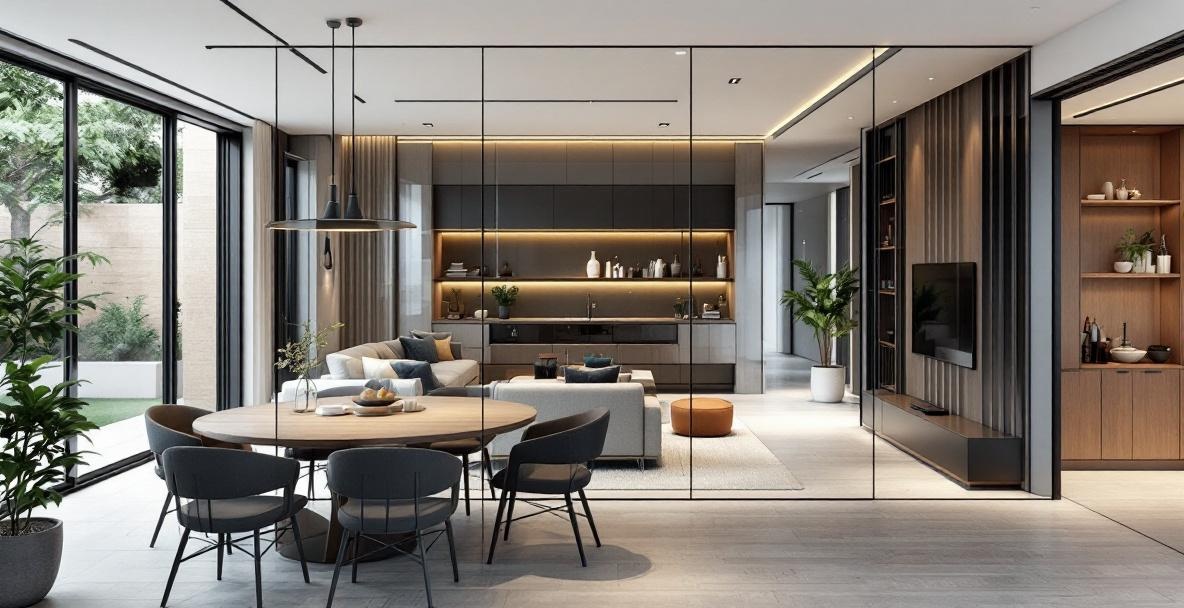
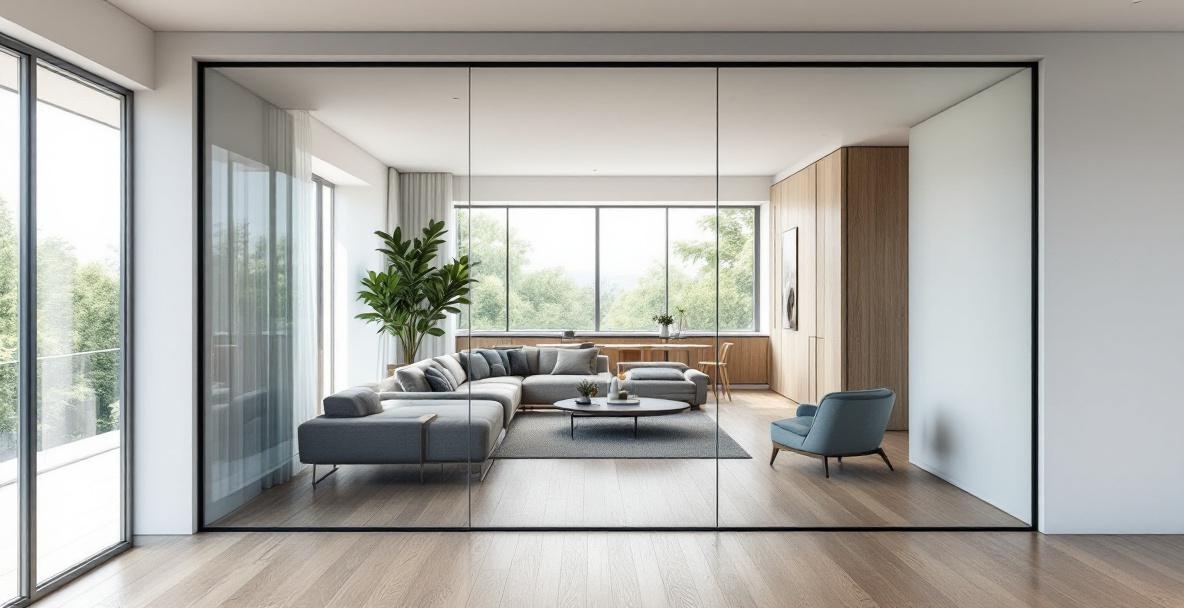
Clear glass partition panels:
- Frameless or framed glass panels creating visual separation without blocking light
- Applications: home office separations, open-plan living dividers, stair walls
- Glass: 3/8-inch or 1/2-inch clear tempered
- Cost: $60–$130/sq ft installed for framed; $100–$180/sq ft for frameless
- Best for: spaces where occupants want acoustic/physical separation without losing visual connection
Frosted or satin glass panels:
- Light-transmitting panels that diffuse vision for privacy
- Applications: bedroom-to-dressing room separations, bathroom walls, home office privacy panels
- Glass: 3/8-inch or 1/2-inch tempered with factory-applied acid-etch or satin finish
- Cost: $70–$140/sq ft installed
- Best for: privacy-sensitive applications where light transmission is valued
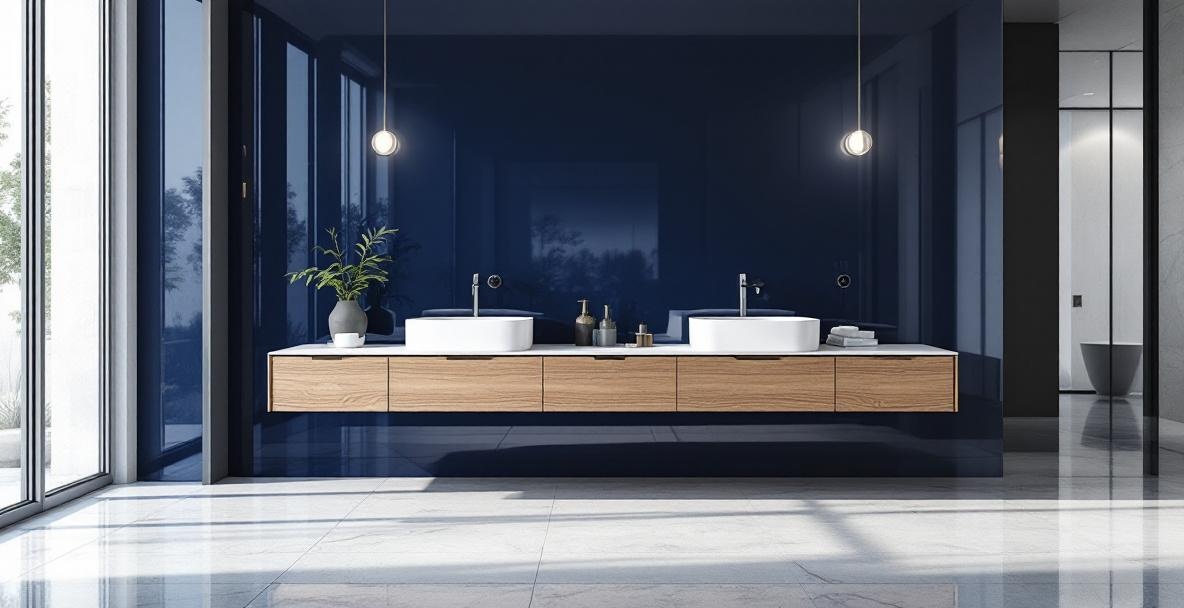
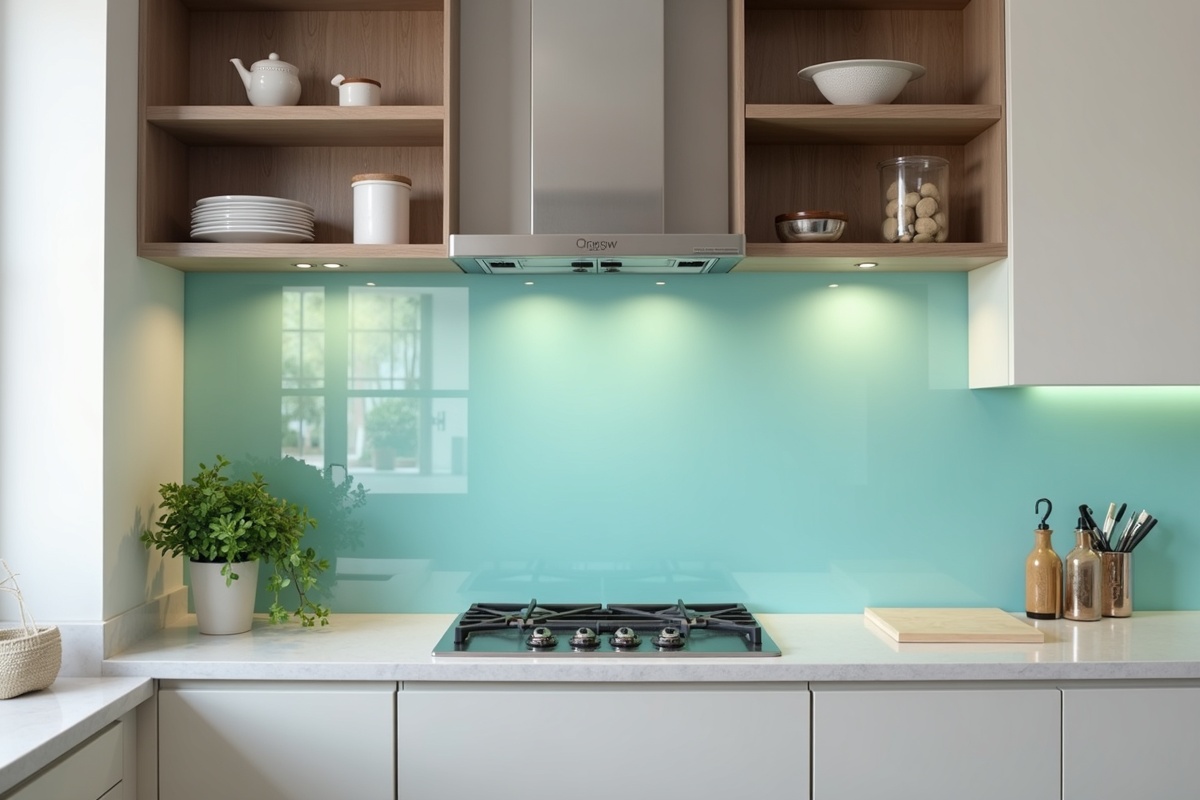
Back-painted glass panels:
- Opaque glass panels with color paint applied to the back surface, creating a glass-front colored wall panel
- Applications: kitchen backsplashes, bar walls, powder room accent walls, dining room feature walls
- Available in any RAL color or custom color match
- Ultra-smooth, non-porous surface — easier to clean than tile or drywall
- Cost: $40–$120/sq ft for fabrication; installation adds $15–$35/sq ft
- Best for: high-impact color or feature wall applications where light transmission isn't needed
Textured/art glass panels:
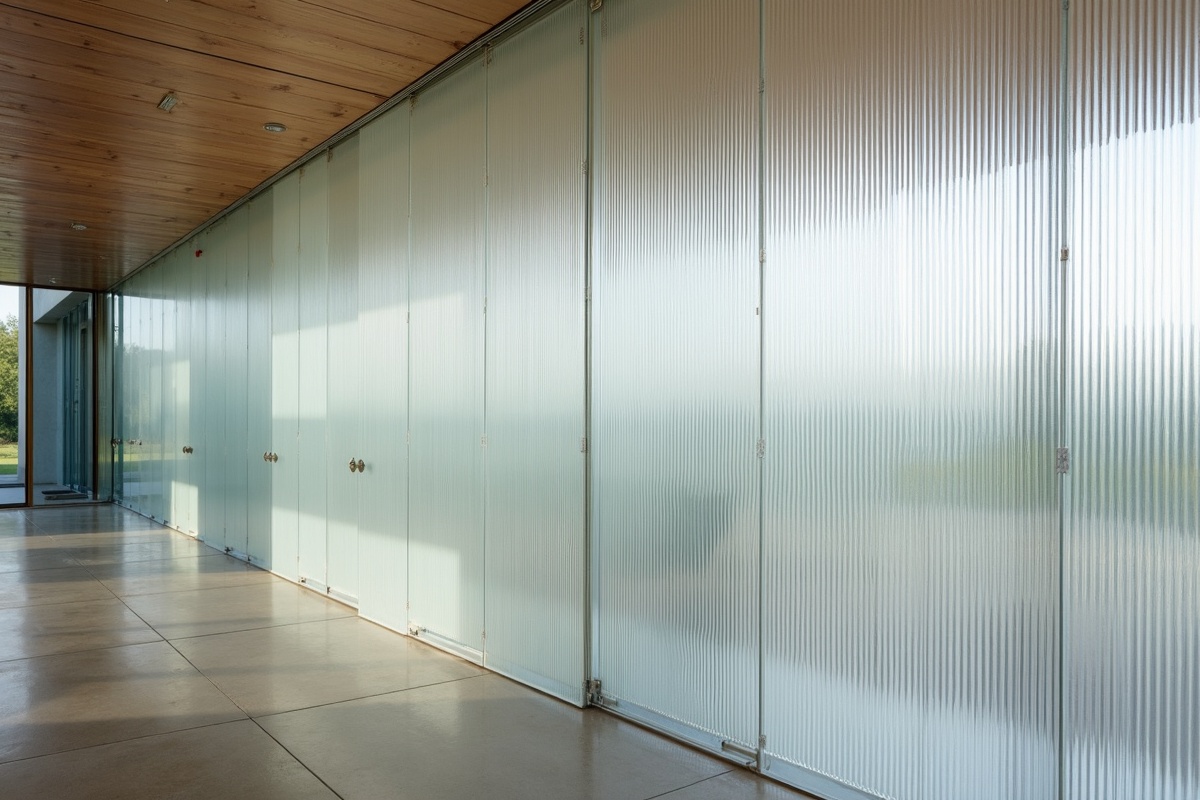
- Specialty glass with surface texture (ribbed, reeded, fluted, carved) or laminated patterns
- Applications: interior doors, sidelites, decorative room dividers, spa rooms
- Available in many pattern types from subtle reeded to bold geometric
- Cost: $80–$200+/sq ft depending on glass type
- Best for: spaces where the glass itself is a design statement
$50–$200+
per square foot installed for residential glass wall panels — application type and glass specification drive the range
How Is a Residential Glass Wall Panel Installed?
Glass wall panel installation depends on whether the panel is freestanding (requiring a structural support system) or applied (mounted against an existing wall surface). Freestanding partition panels need floor-to-ceiling support structure; back-painted backsplash panels adhere directly to the wall.
Partition panel installation (freestanding):
- Structure: Either a floor track and ceiling track (for frameless systems) or a full perimeter aluminum frame are anchored to the floor, ceiling, and adjacent walls.
- Glass set: Panels are lifted into the frame system and secured with setting blocks and structural silicone or mechanical clips.
- Seals: Silicone seals at all panel perimeters to control air movement and rattling.
- Doors: If the partition includes a door opening, the door frame is integrated into the panel system during the rough-in stage.
Back-painted panel installation (applied):
- Substrate prep: Wall surface must be flat, clean, and structurally sound. Paint or drywall texture must be removed from the installation area.
- Adhesive application: Mirror mastic or panel bonding adhesive applied to the back surface of the glass in a grid pattern.
- Panel set: Panel pressed against the wall and held with temporary support (braces) while adhesive cures (24–48 hours).
- Edge treatment: Exposed edges sealed with color-matched silicone or trim.
What Glass Options Are Available for Wall Panels?
The most important glass specification for residential wall panels is whether the panel needs to transmit light (clear/frosted) or block it (back-painted/opaque). Within light-transmitting panels, privacy level (clear vs. various frost densities) is the secondary specification.
Glass specifications for residential wall panels:
Clear tempered: Full transparency, maximum light transmission. Standard for partition panels where visual connectivity is the goal.
Satin or acid-etched: Factory-finished matte surface that diffuses light and reduces glare. Available in various intensities — light satin transmits about 90% of light while diffusing vision; heavy satin is nearly opaque.
Frosted film (applied): Clear glass with opaque or translucent film applied. More economical than factory-finished frosted for retrofit applications. Can be removed or replaced if design preferences change.
Back-painted (spandrel): Opaque glass with color on the reverse face. The glass surface is smooth and cleanable; the color shows through the glass. Available in thousands of colors via RAL matching.
Reeded / fluted glass: Glass with parallel ridges on one face creating a textured, translucent appearance. Currently a major trend in DFW residential interiors — the reeded pattern creates movement and light play that flat frosted glass doesn't (Houzz 2025).
Laminated glass panels: Two glass lites bonded with a colored or patterned interlayer. Creates depth and color in the glass itself rather than on a surface. Used for high-end decorative applications.
Infinity Glass & Glazing fabricates and installs residential glass wall panels across DFW — partitions, back-painted panels, and decorative glass for homes in Dallas, Fort Worth, Corinth, Frisco, McKinney, and surrounding areas. Get a free estimate or call (940) 279-1197.
How much do glass wall panels cost for a home?
Residential glass wall panels range from $50 to $200+ per square foot installed. Clear glass partition panels run $60–$180/sq ft depending on whether the system is framed or frameless. Back-painted glass panels used as feature walls or backsplashes run $55–$155/sq ft total. Specialty art glass and textured panels run $80–$200+ per square foot.
Can glass wall panels be used as a kitchen backsplash?
Yes — back-painted glass panels are an excellent backsplash alternative to tile. The smooth glass surface is easier to clean than grout joints, can be fabricated in any color via RAL matching, and installs as a seamless panel without grout lines. They're particularly suited to modern and contemporary kitchens where a streamlined appearance is a priority.
What is the most popular glass type for residential wall panels?
Clear and frosted tempered glass dominate most residential partition and room divider applications. Reeded (fluted) glass is the fastest-growing style in 2025–2026 DFW residential interiors, appearing in kitchen cabinetry, room dividers, and interior doors (NKBA 2025). Back-painted glass is the standard for kitchen and bar backsplashes where an opaque colored surface is needed.
Do glass wall panels require special wall construction?
Freestanding glass partition panels (between rooms) require a floor and ceiling support structure — either aluminum track or a framed opening. This is a renovation task that involves minor carpentry or drywall work before the glass is set. Back-painted panels applied to an existing wall require only a flat, clean surface — no structural changes needed if the existing wall is sound.
Related reading: glass room dividers and our office glass partitions in Dallas.