Most leaking shower doors can be fixed without replacing the door. Failed seals cause 45% of all shower door water leak complaints (HomeAdvisor 2025), and seal replacement costs $15 to $80 in parts. The remaining causes are misaligned hinges, failed silicone caulk, or an out-of-level curb — all repairable without ordering new glass. Start by identifying where the water is escaping, then match the leak location to the failed component below.
A leaking shower door is almost never a structural problem with the glass itself. Tempered glass panels do not spring leaks — the water is finding its way through a seal, a caulk line, or a gap at the hinge. This guide works through every common cause, the DIY fix for each, and the specific signs that mean you need a DFW glass professional on-site rather than a trip to the hardware store.
Why Is My Shower Door Leaking?
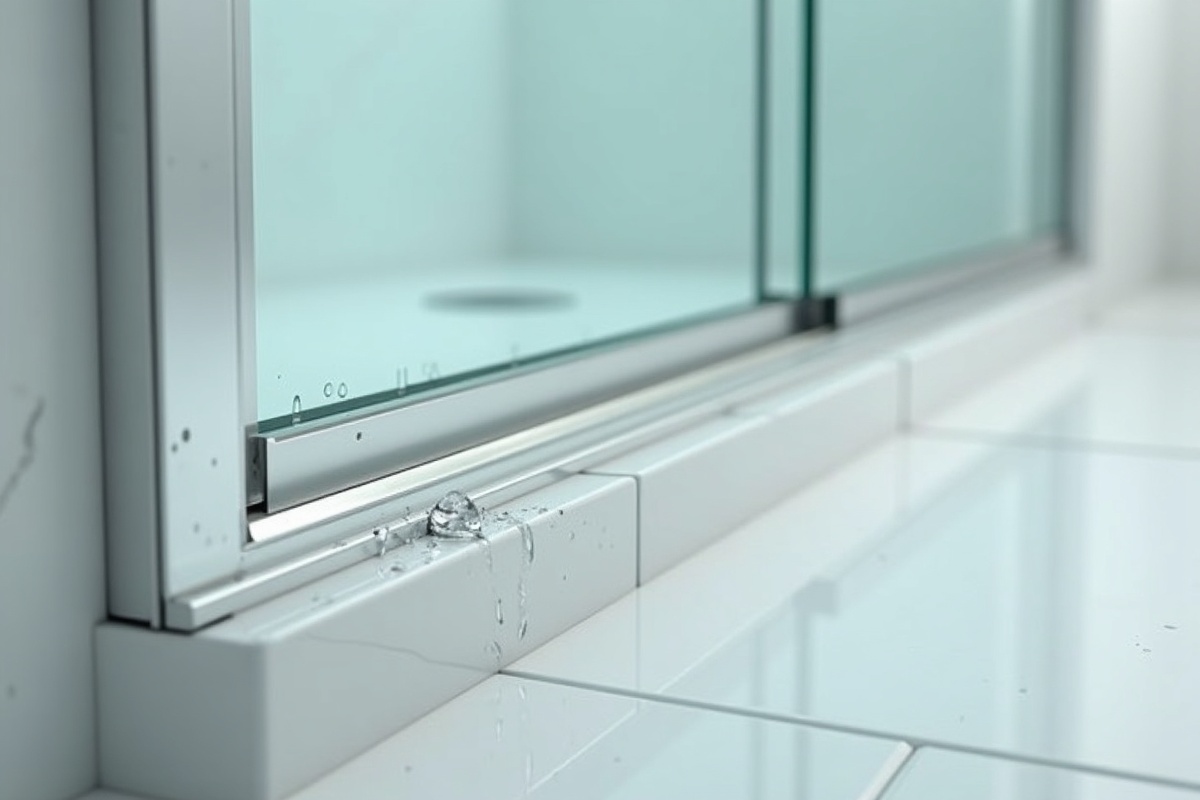
A shower door leaks when water escapes the enclosure at any point during use. The most common escape paths are under the bottom sweep (80% of leaks), around the side hinge or wipe seal (12% of leaks), through failed silicone caulk at the wall seam (5% of leaks), or from an out-of-level curb redirecting water outward (3% of leaks). Identifying the exact escape path is the first diagnostic step.
Water finds the lowest path. If your bathroom floor is wet after showering, trace the water back to the door. Dry the floor, run the shower for five minutes with the door closed, then look for the first wet spot. That tells you which seal or joint is failing.
The Most Common Causes of Shower Door Leaks
| Leak Source | Typical Cause | Fix Difficulty | DIY Cost | |
| Bottom sweep/seal | Vinyl hardened and cracked | Easy | $15 to $40 | |
| Side wipe seal | Seal pulled loose or torn | Easy | $20 to $50 | |
| Hinge gasket | Rubber washer compressed/missing | Medium | $10 to $30 | |
| Silicone caulk seam | Failed or mildew-stained | Easy | $10 to $20 | |
| Glass-to-glass joint | Magnetic strip no longer aligns | Medium | $30 to $80 | |
| Out-of-level curb | Curb pitches outward | Hard | Pro only |
Bottom sweep or bottom seal
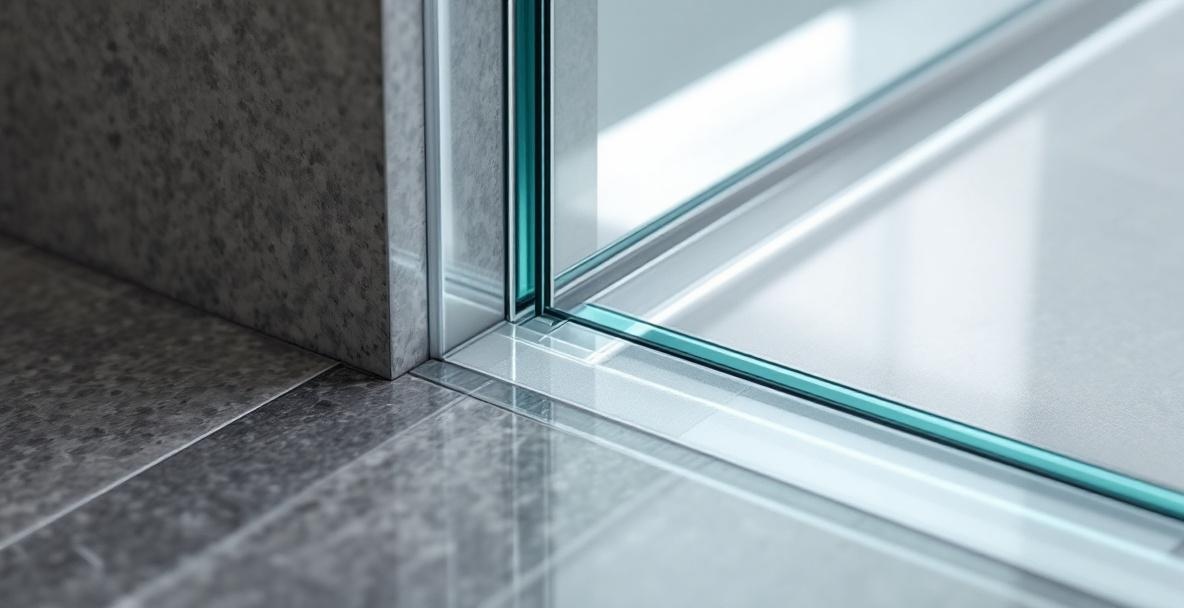
This is the U-shaped vinyl strip that slides onto the bottom edge of the glass. It is the single most common leak source because hot water, soap, and DFW hard water break down the vinyl faster than other seals. A healthy sweep is flexible and flat against the curb; a failed sweep is stiff, curled, cracked, or flattened asymmetrically.
Side wipe seals
Vertical vinyl or silicone strips run along the side of a swinging frameless door where it meets the fixed panel or wall. They prevent splash-out when water hits the side wall. When they pull loose from adhesive or tear at the bottom, water exits along the vertical joint.
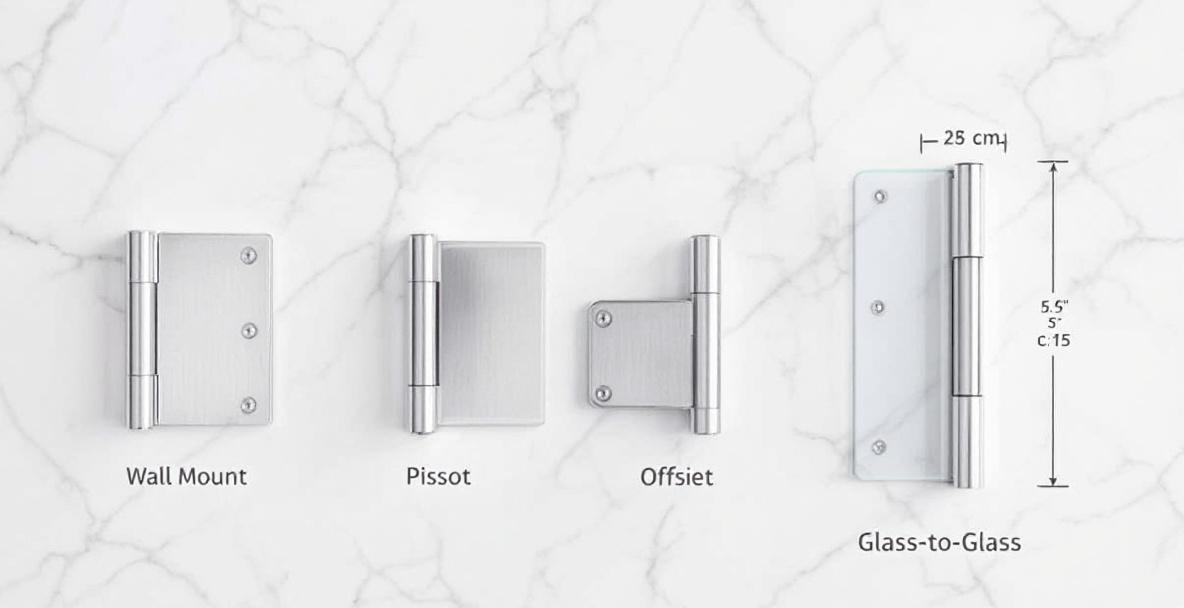
Hinge gaskets
Hinges bolt through the glass with rubber or nylon gaskets on either side. Over years of use these compress and can leave a path for water. This leak is rare but shows up as water dripping from the hinge point rather than the bottom.
Silicone caulk
The bead of silicone along the inside of the enclosure (glass-to-wall, glass-to-curb) blocks water from escaping through the gap between glass and tile. When silicone fails — cracks, pulls away, turns black with mildew — water runs through the gap.
How to Fix a Leaking Shower Door Sweep or Bottom Seal
Sweep replacement is the most common shower door fix and takes 10 to 15 minutes with no special tools. Measure the old sweep (length and glass thickness), order or buy the matching replacement at a glass supplier, slide the old sweep off the glass edge, clean the edge with isopropyl alcohol, and slide the new sweep on. Most sweeps are friction-fit — no adhesive or screws needed.
- 1
Measure the old sweep
Measure length end to end and note the glass thickness it fits — typically 3/8 in. or 1/2 in. Bring the old sweep with you when purchasing. - 2
Remove the old sweep
Slide the old sweep off the glass edge. If it resists, work from one end and pull steadily — do not pry with metal tools that can chip the glass. - 3
Clean the glass edge
Wipe the bottom edge of the glass with isopropyl alcohol to remove soap residue, biofilm, and old silicone. - 4
Cut the new sweep to length
Use sharp scissors or a utility knife. Cut 1/16 in. shorter than measured so the sweep slides on without buckling. - 5
Slide the new sweep onto the glass
Apply a thin film of soapy water to the sweep channel and push it onto the glass edge. It should friction-fit with no gaps. - 6
Test with water
Run the shower for two minutes and check the floor. A correctly fitted sweep eliminates floor water immediately.
$15 to $40
typical DIY cost of a replacement bottom sweep seal, the most common shower door leak fix (HomeAdvisor 2025)
How to Fix Leaking at the Side Hinges or Wipe Seals
Side wipe seals pop off when the adhesive backing fails or the seal tears at a stress point. Replacement wipes come in adhesive-backed or channel-clip styles — always match the type you currently have. Hinge gasket leaks require removing the hinge hardware from the glass, replacing the rubber washers on both sides of the glass, and re-torquing. If you are not comfortable removing glass hardware, call a pro — over-torquing tempered glass can cause catastrophic failure.
Side wipe replacement steps:
- Peel the old wipe off the glass or pop it out of its channel
- Clean the glass edge with isopropyl alcohol and let it dry fully
- Measure and cut the new wipe 1/8 in. short of the glass edge (allows for door swing clearance)
- For adhesive-backed wipes: peel the backing, align along the glass edge, press firmly for 30 seconds
- For channel-clip wipes: slide the wipe into its U-channel on the glass edge
Never tighten hinge hardware with regular tools unless you know the torque spec. Most frameless shower door hinges require 40 to 60 in-lbs of torque — exceeding this cracks tempered glass, and once a tempered panel cracks, the entire panel has to be replaced. If hinge leaks persist after a visual inspection, call a DFW glass professional.
When Recaulking Is the Right Fix for a Leaking Shower Door
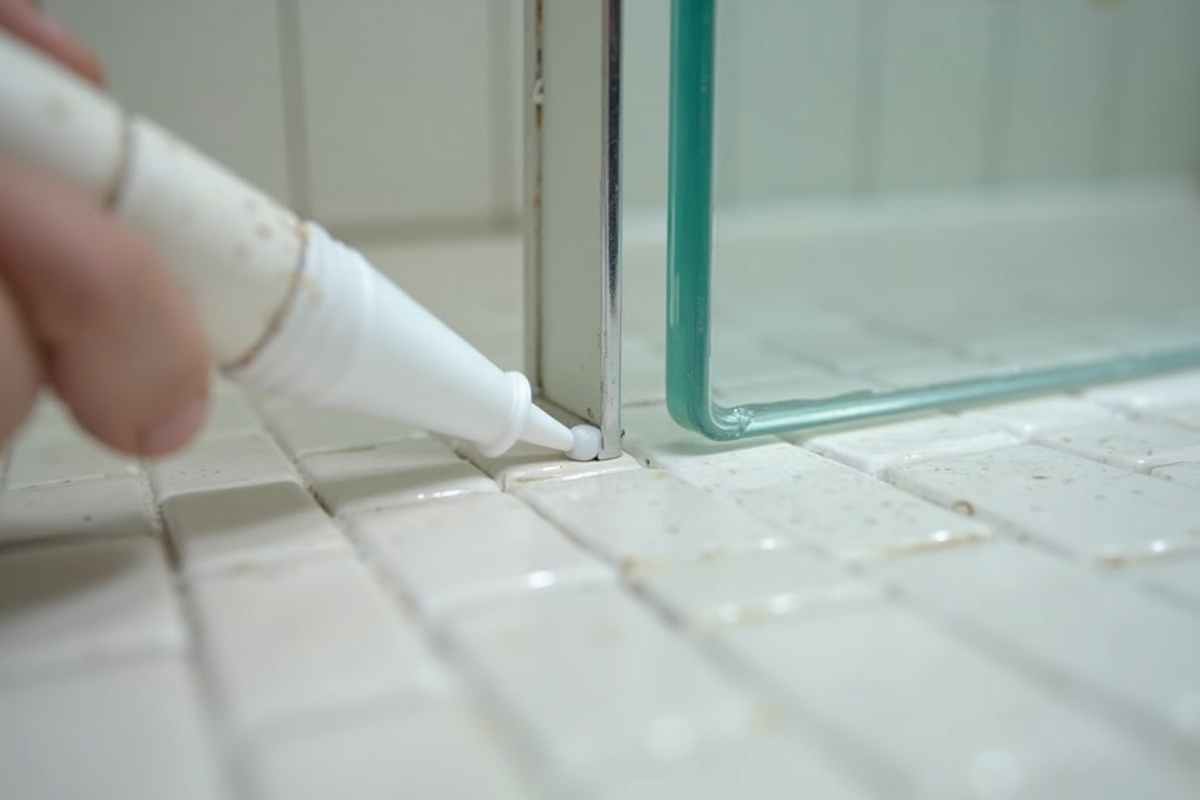
If water is escaping where the glass meets the tile wall or curb (not at a seal), the silicone caulk has failed. Remove the old silicone completely, clean the joint with isopropyl alcohol, and apply new 100% neutral-cure silicone caulk rated for bathrooms. Do not caulk over old silicone — new silicone does not bond to cured silicone and the repair will fail within weeks.
Recaulking steps:
- 1
Remove all old silicone
Use a plastic silicone scraper or utility knife. Pull out every bit — new silicone will not adhere to old residue. - 2
Clean the joint thoroughly
Wipe with isopropyl alcohol and let the joint dry fully. Any moisture under new silicone causes failure. - 3
Apply painter's tape along both edges
Creates a clean bead line and makes tooling faster. - 4
Apply 100% neutral-cure silicone
Use a caulk gun. Apply one continuous bead — no stops and restarts. - 5
Tool the bead
Wet your finger with soapy water and smooth the bead in one pass. Remove tape immediately. - 6
Cure for 24 to 48 hours
Do not run the shower until the silicone is fully cured.
When Is a Shower Door Leak a Sign of a Bigger Problem?
A shower door leak becomes a bigger problem when the water is seeping under the tile or curb rather than escaping through the seal. If you see water staining on the ceiling below, peeling baseboards, or soft spots in the subfloor near the shower, the leak has been ongoing and the waterproofing layer beneath the tile may be failing. Water damage from bathroom leaks costs homeowners an average of $2,386 per incident (Insurance Information Institute 2025), so address persistent leaks quickly.
Warning signs of substrate damage:
- Water stain on the ceiling below the bathroom
- Peeling paint or swollen baseboards adjacent to the shower
- Soft, springy feel in the floor when you step near the shower
- Mildew smell that persists even after cleaning
- Grout lines staying wet hours after showering
If any of these are present, the problem is no longer a seal — it is a waterproofing failure under the tile. This requires a tile or waterproofing contractor, not a glass installer.
$2,386
average homeowner cost per bathroom water damage incident across the United States (Insurance Information Institute 2025)
When to Call a Glass Professional in DFW for Shower Door Leaks
Call a DFW glass professional if the leak continues after seal replacement, if hinge adjustment is required, if the glass or hardware is damaged, or if the shower curb is out of level. Hinge torquing and hardware realignment require specialized knowledge of tempered glass tolerances. Professional shower door leak repair in DFW typically costs $150 to $400 depending on the scope (HomeGuide 2025).
When the DIY fix is not enough:
- You have replaced the sweep and side seals and the leak continues
- The door sags, drags, or does not self-close properly (indicates hinge failure)
- Glass edges are chipped, pitted, or cracked
- Water is pooling in the corner of the curb rather than draining into the shower
- Hardware finish is corroded, flaking, or stuck in position
Before calling a pro, shoot a short video of the leak happening — run the shower, close the door, and film the exact spot where water escapes. Send it with your repair request. DFW glass companies can often quote more accurately from a 30-second video than from a phone description.
Frequently Asked Questions
Can a leaking shower door damage my subfloor if left unfixed?
Yes. A persistent leak of even small amounts over months will soften and warp a wood subfloor, grow mold beneath tile, and require structural repair costing $1,000 to $5,000 or more. Shower door leaks cause 12% of all bathroom water damage claims in Texas (Texas Dept of Insurance 2024). Fix any visible leak within 1 to 2 weeks of noticing it.
Is it normal for a little water to escape from a frameless shower door?
A few drops on the floor after a long shower can be normal for a frameless swing door — they are not designed to be 100% watertight like an enclosed tub door. But a wet floor mat, water running across tile, or standing water next to the curb is not normal and indicates a seal or caulk issue. Splash control is designed into frameless showers through the shape of the enclosure, not by perfect sealing.
How do I know if my shower door sweep or hinge is causing the leak?
Dry the floor completely, close the door, and run the shower for two minutes. If water appears along the bottom edge of the door first, the sweep is the culprit. If water appears at the hinge point first, the hinge gasket or wipe seal is failing. If water appears along a vertical line from top to bottom, it is coming through a failed silicone caulk seam.
Can I fix a leaking shower door myself or do I need a pro?
Sweep and side seal replacement is DIY-friendly — most homeowners can do it in 15 minutes with a utility knife and a replacement part. Hinge adjustment, glass-to-glass seal work, and anything requiring hardware removal from tempered glass should be handled by a DFW glass professional to avoid breaking the glass.
How much does it cost to have a professional fix a leaking shower door in DFW?
Professional leak repair runs $150 to $400 in DFW depending on the cause. Sweep or seal replacement on-site costs $150 to $225. Hinge adjustment or gasket replacement runs $200 to $300. Complete recaulking of an enclosure is $175 to $275. Diagnostic visits often start at $95 to $150, which is usually credited toward the repair if you proceed.
Also see our do frameless shower doors leak guide and our shower door seal types explained breakdown to identify the exact seal your door needs.
Still leaking after a DIY fix? Contact Infinity Glass & Glazing for professional shower door leak repair across DFW. We service Corinth, Denton, Frisco, Dallas, Fort Worth, and the surrounding metro with same-week appointments for most leak diagnoses and repairs.
Related reading: