Custom glass door inserts transform existing solid doors into partially-glazed doors by cutting a rough opening and installing a fabricated glass panel framed into the door. The process works on interior and exterior doors, costs 40-60% less than replacing the door entirely, and takes 3-7 business days from measurement to installation for most DFW residential projects.
Many DFW homeowners want the daylight and visual connection that glass-panel doors provide — but don't want to replace perfectly functional solid-core or wood doors. A custom glass door insert solves this: your existing door stays, a precisely-sized glass panel is cut and framed into it, and the result is a partially-glazed door that looks like it was originally manufactured that way. For interior doors, this means natural light flows between rooms and hallways. For exterior doors, it means curb appeal and foyer daylight without the expense and disruption of full door replacement.
Infinity Glass specifies and installs custom glass door inserts across Dallas, Fort Worth, and surrounding DFW communities. Also see our commercial glass and entry door installation and our custom glass pricing guide for related projects — or, if you want the whole door to be glass, our interior glass barn doors service.
What Is a Glass Door Insert and How Does It Work?
A glass door insert is a prefabricated or custom-fabricated glass panel — often surrounded by its own frame (typically PVC, aluminum, or wood) — that is installed into a cutout opening in an existing door. The insert is sized precisely to the cut opening, sealed weatherproof for exterior doors, and secured with trim or framing that matches the door's existing finish.
The basic anatomy of a door insert:
The glass: Tempered safety glass (required for doors by IRC R308), available in clear, frosted, reeded, textured, leaded, beveled, or decorative patterns. For exterior doors, typically a double-pane insulated glass unit (IGU) with optional Low-E coating.
The insert frame: The glass is held in its own frame — PVC, aluminum, or wood — that inserts into the door cutout as a single integrated unit. This makes installation cleaner and weather-sealing easier than trying to glaze glass directly into the door.
The door opening: A rectangular (or occasionally shaped) cutout is made in the existing door, sized to accept the insert with appropriate tolerance. For exterior doors, the cutout is precisely dimensioned to maintain door structural integrity.
Interior trim: The insert frame is trimmed on both faces of the door with molding, beading, or flush finish to match the door's aesthetic.
The completed installation looks seamless — the glass appears to be integrated into the door, not added to it.
Types of Glass Available for Custom Door Inserts
Glass door inserts in DFW are fabricated from any glass type that meets safety code for doors — clear tempered, frosted, reeded, seeded, textured, beveled, stained, or decorative art glass. The choice depends on the door's location, privacy needs, and design direction. All door inserts use tempered or laminated glass per IRC Section R308 (IRC 2024).
Common glass types for door inserts:
Clear tempered glass: Maximum light transmission, full visibility. Best for interior doors between rooms where visual connection is desired (kitchen-to-dining, hallway-to-office), or for exterior doors facing private areas.
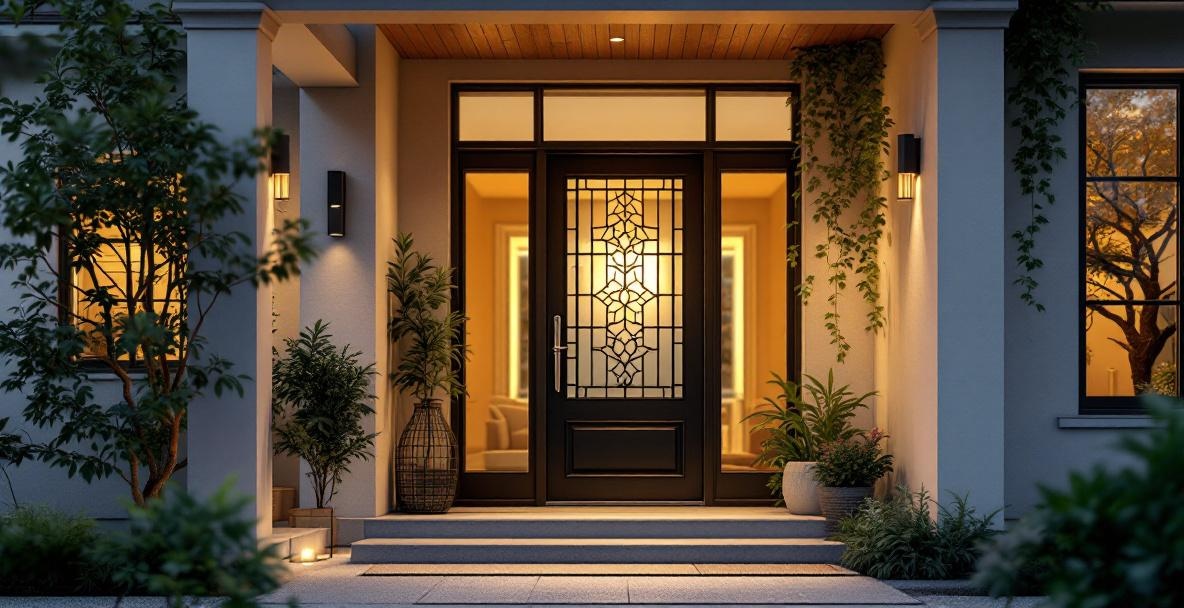
Frosted/sandblasted glass: Obscures direct view while transmitting light. The most popular choice for front entry doors, bathroom doors, and office doors where privacy matters.
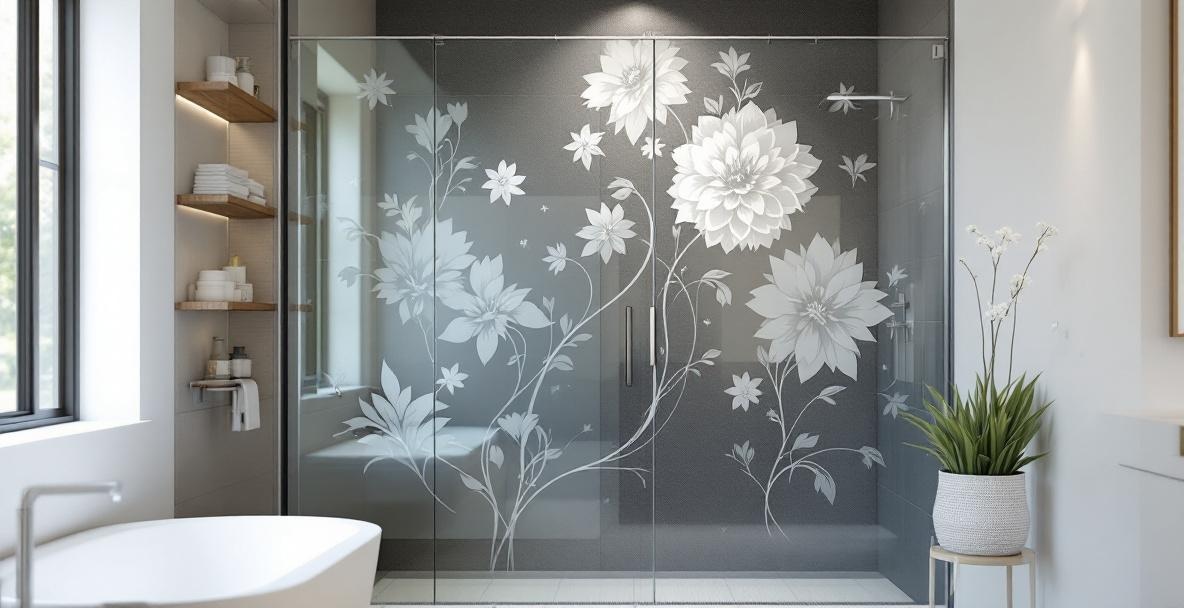
Reeded (fluted) glass: Vertical parallel ridges create a classic architectural look. Obscures view while admitting 85-90% of available light. Very popular in current DFW design trends.
Seeded glass: Small bubbles throughout the glass create a softer, historical texture. Partial obscurity, high light transmission. Fits well in traditional, craftsman, and farmhouse-style homes.
Beveled glass: Angled polished edges around a central clear panel create a prismatic light effect. Used for decorative inserts, often with leaded-look patterns.
Leaded glass: Decorative patterns created by assembling small glass panels with lead came. Traditional option for historic and high-end homes; custom designs available.
Art glass/stained glass: Custom-designed decorative panels with colored, textured, or painted elements. Fully customizable to specific designs.
Reeded glass is currently one of the most-requested insert styles in DFW residential projects — searches on design platforms for "reeded glass" grew 280% from 2022-2025 (Houzz 2025). See our reeded glass shower panels for more on this trend.
280%
growth in reeded and textured glass interest on design platforms from 2022-2025 (Houzz 2025)
Interior vs Exterior Door Glass Inserts: What Is Different?
Interior door inserts can use single-pane tempered glass and simple trim, while exterior door inserts require insulated glass units (IGUs), weather-sealed frames, and careful installation to maintain the door's weather performance. Both applications require tempered safety glass.
| Consideration | Interior Door Insert | Exterior Door Insert | |
| Glass required | Single-pane tempered | Double-pane IGU tempered | |
| Low-E coating | Optional | Recommended for DFW | |
| Weather sealing | Not required | Critical — full perimeter seal | |
| Frame material | PVC, wood, aluminum | Thermally-broken PVC or aluminum | |
| Typical cost | $200-$600 | $400-$1,200 | |
| Typical lead time | 3-5 business days | 5-7 business days |
Additional exterior considerations:
- Door structural integrity: Cutting into a hollow-core or foam-core door can compromise insulation performance. Solid-core wood, solid fiberglass, or thermal-mass steel doors are better candidates.
- Locking hardware clearance: The insert must be positioned to avoid existing locksets, deadbolts, and peepholes.
- Weatherstripping: All four edges of the insert frame must be sealed against air and water infiltration.
- Finish matching: Exterior trim must be finished to match the door's exterior paint or stain.
Can Glass Inserts Be Added to Any Existing Door?
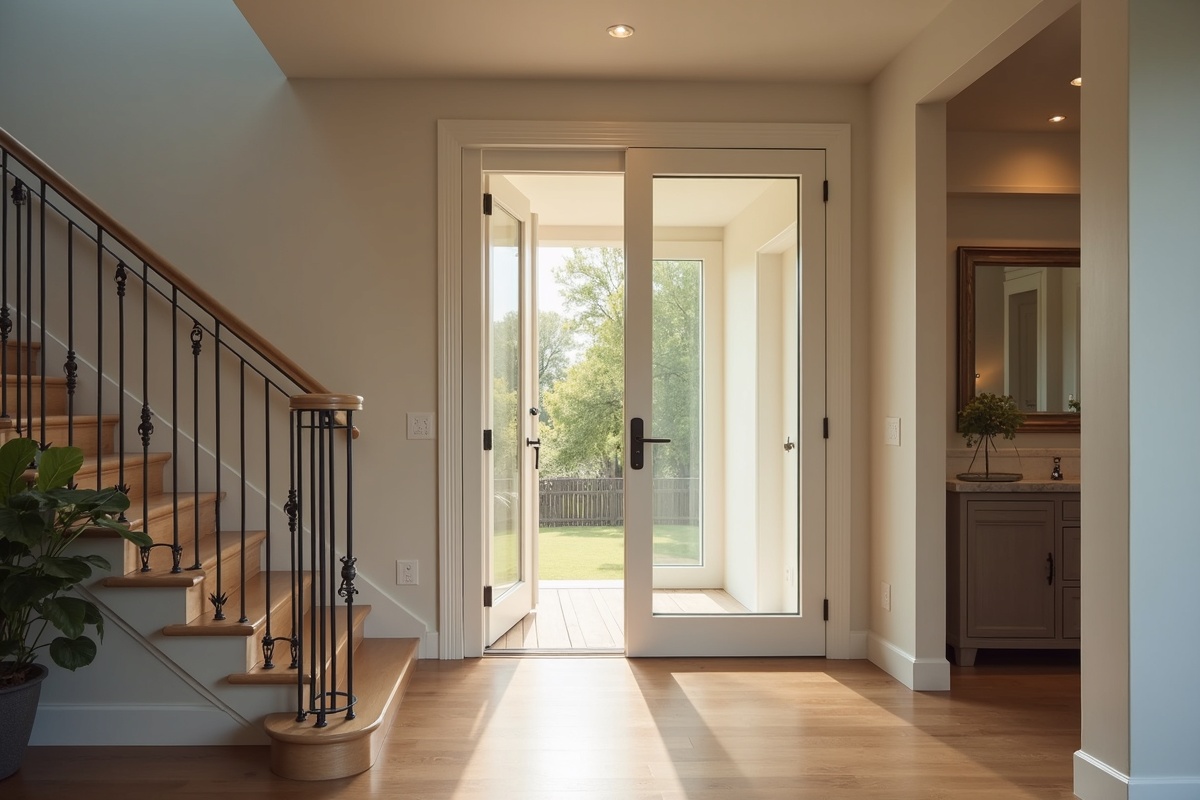
Most solid-core and exterior doors can accept custom glass inserts, but hollow-core interior doors and some composite doors are not suitable. The door must have enough structural material to support the cut opening without compromising integrity, and the cutout location must avoid internal reinforcement, locksets, and structural stiles.
Doors that work well for inserts:
- Solid wood doors (any style) — best candidates; easy to cut, trim, and finish
- Solid-core interior doors (engineered with solid cores) — work well, though heavier to handle
- Fiberglass exterior doors — designed to accept inserts; many manufacturers offer field-installable inserts
- Steel exterior doors — can accept inserts, though cutting is more complex
Doors that do not work well:
- Hollow-core interior doors — the thin face panels cannot structurally support a glass cutout
- MDF interior doors with hollow sections — similar structural issue
- Some foam-core fiberglass doors without manufacturer-designed insert-ready construction
- Doors with steel cam locks or multi-point lock internal mechanisms that conflict with desired insert location
How Much Do Custom Glass Door Inserts Cost in DFW?
Custom glass door inserts in DFW typically cost $200-$1,200 depending on whether the door is interior or exterior, glass type, size, and decorative complexity. Adding a glass insert to an existing door costs 40-60% less than purchasing a new pre-glazed door (Angi 2025), making inserts an economical way to upgrade existing doors.
Typical DFW pricing:
| Project | Installed Cost Range | |---------|---------------------| | Interior clear glass insert (small) | $200-$400 | | Interior frosted or reeded insert | $300-$600 | | Interior decorative/beveled insert | $400-$900 | | Interior custom art or stained glass | $600-$1,800 | | Exterior clear IGU insert | $400-$700 | | Exterior frosted/decorative IGU insert | $600-$1,200 | | Exterior leaded or custom art IGU | $900-$2,200 | | Sidelight panel insert (existing frame) | $500-$1,400 |
Cost factors:
- Glass size: Larger panels cost more; standard sizes under 24"x60" are most economical
- Glass type: Clear is least expensive; custom art and leaded glass are premium
- Frame finish: White PVC is lowest cost; wood and custom-painted finishes are premium
- Installation complexity: Standard rectangular cutout is baseline; arched or shaped cutouts cost more
- Door material: Solid wood and standard fiberglass are routine; cutting steel or thick fire-rated doors adds labor
How Are Glass Door Inserts Installed?
Professional glass door insert installation is a 2-3 hour process involving precise measurement, cutting the door opening with specialized tools, installing the insert with appropriate sealing, and finishing the interior and exterior trim. The door is typically removed from its hinges during installation and rehung afterward.
- 1
On-Site Measurement and Template
Installer measures the existing door, confirms door material and construction, marks the desired insert location, and creates a precise template accounting for hardware clearances. - 2
Glass Fabrication (3-7 Business Days)
The glass panel and insert frame are fabricated to exact measurements at the glass shop. Tempered glass must be ordered to final size — it cannot be cut after tempering. - 3
Door Removal and Cutting
On installation day, the door is removed from its hinges and laid flat. The opening is cut using a router guide and appropriate blades for the door material. Cut edges are sealed against moisture. - 4
Insert Installation and Sealing
The glass insert frame is positioned in the opening, leveled and squared, and secured. For exterior doors, weather seal and perimeter caulking are applied to maintain weatherproofing. - 5
Trim and Finish
Interior trim, beading, or flush finish is applied to both faces of the door to cover the frame edges and create a finished appearance. Paint or stain is touched up if needed. - 6
Door Rehang and Hardware Test
The door is rehung on its hinges. All hardware (latches, deadbolts, handles) is tested. Weather seals are confirmed on exterior doors.
Design Ideas: Glass Door Inserts for DFW Homes and Offices
Glass door inserts are particularly effective in DFW homes for daylighting interior spaces, creating visual connection between rooms, and adding architectural interest to existing doors without full replacement. Popular applications include kitchen-to-pantry doors, home-office doors, primary bedroom doors, and front entry doors.
Common residential applications:
Home office doors: A full or partial glass insert in a home office door provides visual connection and daylight while maintaining acoustic privacy with the door closed. Frosted or reeded glass is popular for privacy.
Butler's pantry or pantry doors: A glass-insert swinging or pocket door to a butler's pantry adds daylight and visibility to the pantry without requiring an open archway. Clear or reeded glass works well.
Primary bedroom doors: In floor plans where the primary suite entry faces a long hallway, a glass insert (frosted for privacy) in the suite entry door can add daylight to the hallway.
Foyer/entry doors: The most common exterior application — adding a decorative, reeded, or frosted glass insert to a solid wood or fiberglass front door for curb appeal and foyer daylight.
Interior courtyard doors: For homes with interior atriums or courtyards (common in mid-century and Spanish Revival DFW homes), a glass insert door brings light into adjacent interior hallways.
Closet and storage doors: Less common but effective — a reeded or frosted glass insert in a closet door adds visual interest without revealing contents.
Wine room doors: an insert is not the right tool here — a climate-controlled wine room needs a fully sealed, insulated wine cellar door. See our guide to custom glass wine cellar doors for that application.
And when the design calls for the whole door to be glass rather than a panel within it, a sliding glass barn door on exposed track hardware covers the opening without consuming swing space.
See our decorative glass panels residential guide for more design inspiration on glass in residential interiors.
Frequently Asked Questions
Can I add a glass insert to an existing solid door without replacing the door?
Yes — this is the primary application for custom glass door inserts. Solid wood, solid-core, and most exterior fiberglass doors can be cut and fitted with a custom insert. The door stays in place on its hinges, only the new glass opening is cut. Hollow-core interior doors and some thin composite doors are not suitable candidates and require full replacement.
What glass types are available for exterior door inserts in DFW?
Exterior door inserts in DFW typically use double-pane insulated glass units (IGUs) with tempered safety glass. Options include clear, frosted, reeded, seeded, leaded, beveled, and decorative art glass. Low-E coatings are recommended for energy performance in Texas climate. All exterior door glass must meet IRC Section R308 safety glazing requirements.
Is it cheaper to add a glass insert than to buy a new glass door?
Yes — adding a custom glass insert to an existing door typically costs 40-60% less than purchasing and installing a new pre-glazed door. For interior doors, insert installation is often under $500 compared to $800-$1,500 for a new glass-panel interior door. For exterior doors, insert installation typically runs $500-$1,200 versus $1,500-$4,000 for new glass-panel exterior door replacement.
How is a glass insert sealed to prevent drafts in exterior doors?
Exterior door inserts are sealed with a multi-layer approach: the glass unit is gasketed within its own insert frame, the insert frame is weather-sealed to the door opening with silicone or butyl sealant, and the interior and exterior trim cover the seal for aesthetic finish. A properly installed exterior insert maintains the door's weatherproofing with no measurable draft difference compared to the uncut door.
Can decorative or frosted glass inserts be used in interior doors?
Yes — decorative and frosted glass inserts are the most popular choice for interior doors because they provide privacy while still transmitting light. Frosted, reeded, seeded, textured, and leaded glass all work well for interior applications. Clear glass is used where visual connection between rooms is desired (kitchens, playrooms, sunrooms). Budget $200-$900 for most interior decorative insert projects.
Upgrade Your Doors with Custom Glass Inserts
Custom glass door inserts are one of the most cost-effective ways to upgrade existing doors in a DFW home — they deliver the look and daylighting benefits of glass-panel doors at 40-60% less than full door replacement. Infinity Glass specifies and installs custom inserts for interior doors, exterior doors, and sidelights across Dallas, Fort Worth, and surrounding communities.
Also see our commercial glass installation services for additional glass door solutions.
Contact Infinity Glass for a free measurement and quote on custom glass inserts for your DFW home or office.