Storefront glass installation in DFW costs $30–$80 per square foot installed for standard aluminum frame systems with clear tempered or low-E glass (Fixr 2025). A 20-linear-foot storefront with an entry door runs approximately $4,000–$10,000 fully installed. Texas Energy Code requirements for commercial glazing in Climate Zone 3 require low-E coated glass in most new storefront installations.
DFW's retail and commercial construction market — new strip centers in Frisco and McKinney, mixed-use developments in Uptown Dallas and Alliance, restaurant buildouts across the metroplex — drives constant demand for storefront glass work. Whether it's a new tenant buildout, storefront replacement for an aging retail space, or glass repair after impact damage, storefront glazing is one of the most common commercial glass services in the region.
This guide covers storefront glass system types, what installations cost, Texas Energy Code compliance, and how to evaluate a DFW storefront glazing contractor. Storefronts are one piece of our broader commercial glazing services, which also span curtain walls and interior glass packages.
[INTERNAL-LINK: Commercial glass installation DFW -> /blog/commercial-glass-installation-dfw]
What Is a Storefront Glass System?
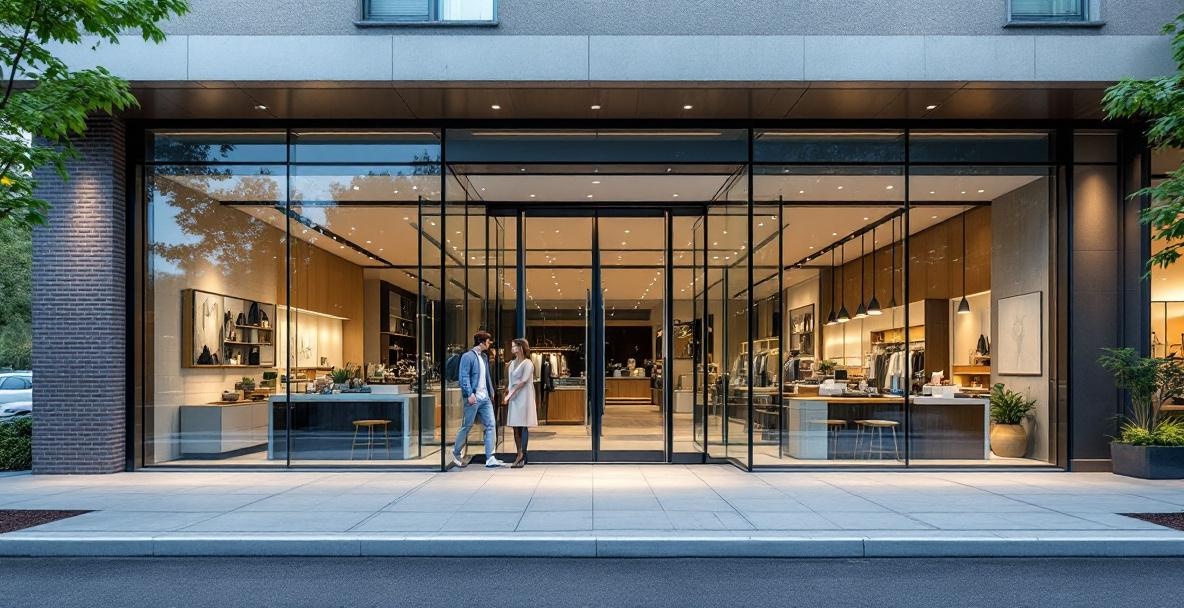
A storefront glass system is a non-load-bearing aluminum framing system that holds glass panels in the exterior facade of a commercial building. The system consists of aluminum frame members (head, sill, and vertical mullions), glass panels (typically 1/4-inch or 3/8-inch tempered or insulated units), entry doors, and associated hardware. Storefront systems are lighter and lower-cost than curtain wall systems.
Storefront vs. curtain wall — the key distinction:
Storefront systems:
- Spans between floor and ceiling (typically one story)
- Glass and frame are set in a rough opening in the building structure
- Frame transfers load to the building opening rather than spanning floor-to-floor independently
- Cost: $30–$80/sq ft installed
- Appropriate for: single-story retail, restaurant fronts, small commercial buildings
Curtain wall systems:
- Spans multiple floors, independently supported from floor anchors
- Glass and frame carry their own weight independent of the building opening
- Significantly higher cost and engineering complexity
- Cost: $80–$200+/sq ft installed
- Appropriate for: multi-story office buildings, hotel facades, large commercial developments
Most DFW retail and restaurant storefront work falls in the storefront system category. Curtain wall work is reserved for the large commercial office and hospitality projects.
$30–$80
per square foot installed for DFW storefront glass — standard aluminum frame system with low-E glass for Texas Energy Code compliance
What Are the Texas Energy Code Requirements for Storefront Glass?
Commercial storefront glass in Texas must comply with the Texas Energy Code (based on IECC 2021), which sets maximum Solar Heat Gain Coefficient (SHGC) and U-factor limits for fenestration in DFW's Climate Zone 3. These requirements effectively mandate low-E coated glass on most new commercial storefront installations.
Energy code requirements for Climate Zone 3 commercial glazing:
SHGC maximum: 0.25 (fixed glazing) — meaning the glass can transmit no more than 25% of solar heat. Standard clear tempered glass has an SHGC of approximately 0.82 — far exceeding the limit. Low-E coated glass with a pyrolytic or sputter coating achieves SHGC of 0.23–0.27, meeting the requirement (DOE 2025).
U-factor maximum: 0.50 (commercial fenestration) — a measure of heat conduction through the glass assembly. Single-pane clear glass has a U-factor of approximately 1.04; insulated glass units (IGU) with low-E coating typically achieve U-factor of 0.28–0.40 (Cardinal Glass 2025).
Practical implication: Most DFW storefront installations use insulated glass units (two panes of glass with an air or argon fill between them) with low-E coating on the inner lite. This combination meets both the SHGC and U-factor requirements. Single-pane glass rarely meets commercial energy code in Texas.
Permits and compliance documentation: Commercial storefront permits require energy code compliance documentation. Glazing contractors submit manufacturer data sheets showing glass unit SHGC and U-factor values as part of the permit package. Failure to meet these requirements causes permit denial.
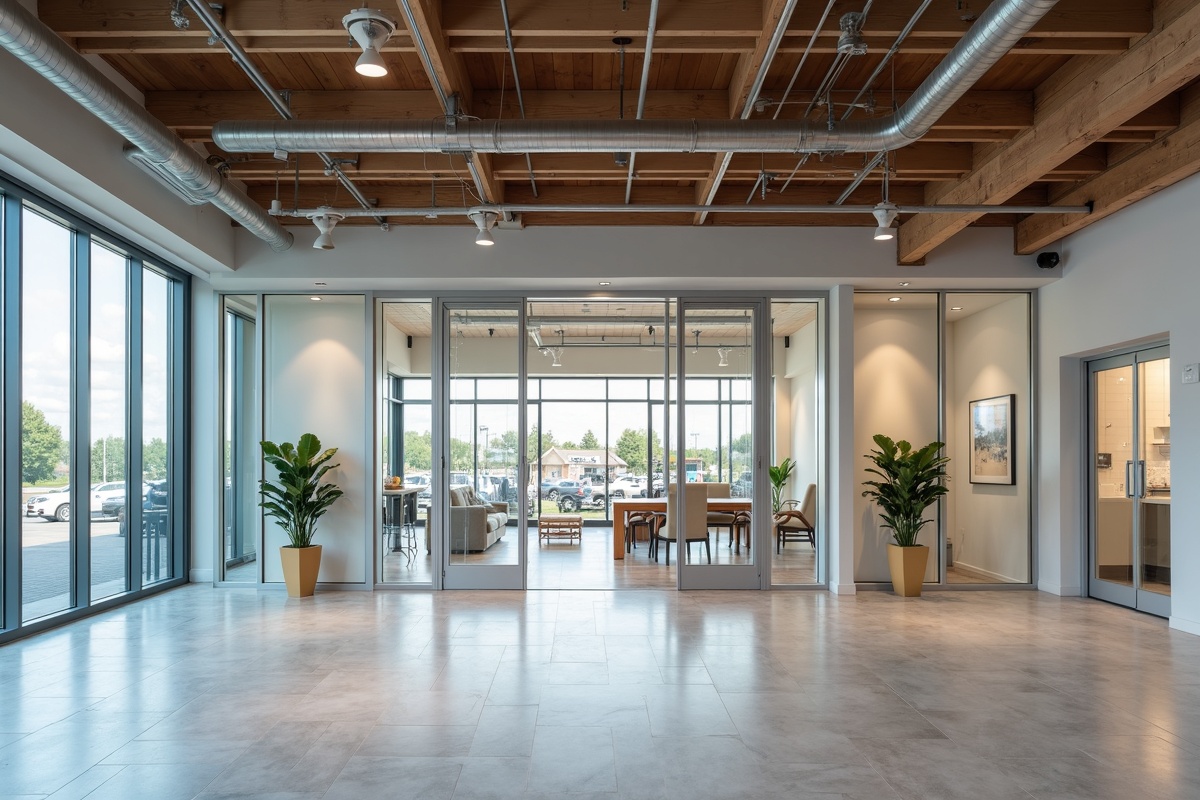
How Much Does Storefront Glass Installation Cost in DFW?
DFW storefront glass installation costs $4,000–$20,000+ for a typical retail storefront, depending on linear footage, door count, glass specification, and whether the project is new construction or replacement. Entry-level storefront systems cost less; high-performance or architectural glass specifications add significant cost.
Cost estimates by project type:
Small single-door retail front (15–20 linear feet): $3,500–$7,000 installed. Includes aluminum frame system, 1–2 entry doors, low-E insulated glass panels, and standard hardware.
Restaurant or café front (30–40 linear feet): $7,000–$15,000 installed. Includes full-width frame, multiple entry doors, likely some operable panels (windows or folding systems).
Strip center tenant storefront (20–30 linear feet, standard build-out): $5,000–$10,000 installed. Standard aluminum storefront with one to two entry doors.
Glass replacement only (existing frame intact): $15–$30/sq ft for the glass, plus $500–$1,500 labor depending on panel count and accessibility. If the existing frame system is sound, glass-only replacement is significantly less expensive than full system replacement.
Key cost factors:
- Low-E specification: Required for Texas Energy Code compliance; standard specification in DFW. Adds approximately 15–25% over standard clear glass cost.
- Entry door specification: Standard medium-stile commercial doors are the baseline; wide-stile, all-glass, or automatic doors add significant cost.
- Frame finish: Mill aluminum is least expensive; anodized or painted frame finishes add cost.
- Permit and engineering: Included in most commercial storefront contracts; verify upfront.
How Do You Select a DFW Storefront Glazing Contractor?
A qualified DFW storefront glazing contractor must demonstrate commercial permit experience, Texas Energy Code knowledge, commercial fabrication capability, and a verifiable portfolio of similar storefront projects.
Contractor evaluation checklist:
Commercial permit experience: Storefront glass requires a commercial building permit in most DFW municipalities. A qualified contractor knows the process, provides required drawings, and coordinates with the general contractor or building owner on sequencing.
Manufacturer certification: Major aluminum storefront system manufacturers (Kawneer, YKK, EFCO, Tubelite) certify qualified installers. Certified installers have formal training on the system's technical requirements and have access to manufacturer warranty support.
In-house fabrication and installation: Contractors who both fabricate (cut glass to size, prep frame members) and install are more accountable for fit issues than those who outsource fabrication to a third party.
References in comparable projects: Ask for references on storefront projects of similar size and type — retail, restaurant, office. A contractor experienced in custom residential glass may not have the experience for a multi-door commercial storefront project.
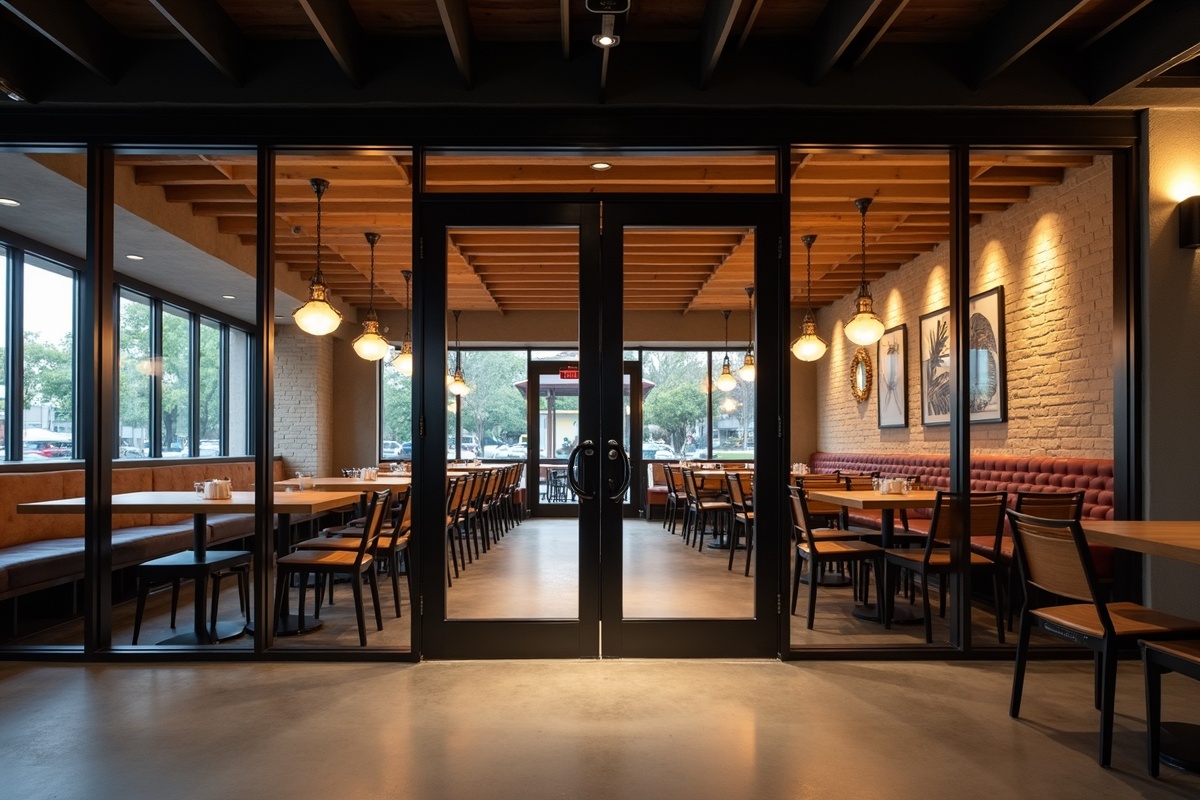
Infinity Glass & Glazing installs commercial storefront glass across DFW — new construction, replacement, and tenant buildout projects. Corinth-based with in-house fabrication. Get a storefront estimate or call (940) 279-1197.
How much does storefront glass installation cost in DFW?
A typical DFW retail storefront installation costs $4,000–$15,000 depending on size, door count, and glass specification. Per-square-foot costs run $30–$80 installed for standard aluminum frame systems with low-E glass. Glass-only replacement (keeping the existing frame) runs $15–$30/sq ft plus labor, making it a cost-effective option when the existing frame system is sound.
Is low-E glass required for commercial storefronts in Texas?
Yes — Texas Energy Code (IECC 2021, Climate Zone 3) requires commercial glazing to meet maximum SHGC of 0.25 and U-factor of 0.50. Standard clear glass cannot meet these requirements. Insulated glass units with low-E coating are the standard specification for DFW commercial storefront installations to meet code. Compliance documentation is required for building permits.
How long does storefront glass installation take?
A standard retail storefront installation typically takes 1–2 weeks from contract to completed installation: 3–5 days for glass fabrication (longer for specialty glass), 1–2 days for frame installation, and 1 day for glass setting and hardware. Permitting adds 2–4 weeks in most DFW municipalities before work can begin.
What is the difference between storefront glass and curtain wall?
Storefront systems span one story and transfer load to the building structure at the rough opening — the standard for single-story retail and restaurant fronts. Curtain wall systems span multiple floors independently, supporting their own weight from floor anchors — required for multi-story commercial buildings where the glass facade extends beyond a single floor. Storefront is significantly less expensive than curtain wall.
Related reading: commercial glass installation in DFW and our commercial glazing contractor guide.